
Exhibition showrooms
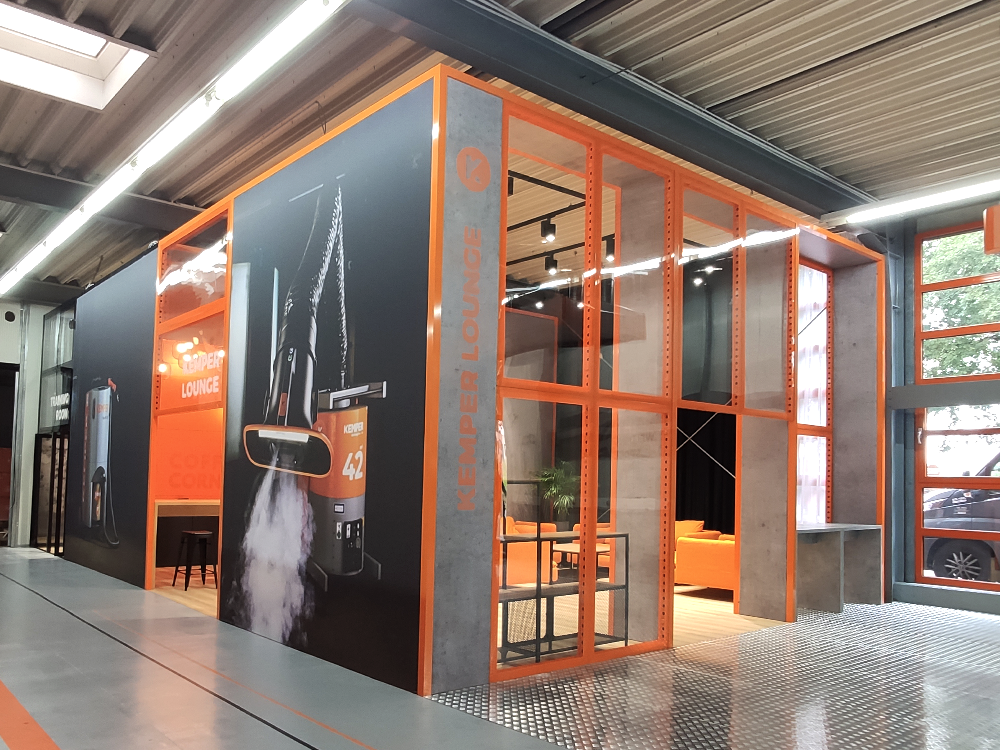
Showrooms are modern exhibition spaces designed primarily to present products or services in an engaging and highly realistic way. Unlike traditional trade fair stands, showrooms operate in a more permanent manner and allow customers to directly experience a brand in a comfortable environment. This solution is particularly valued by companies that aim to build long-term relationships with clients and strengthen their brand image through a carefully designed space.
Showrooms also enable the presentation of a full product range in a controlled environment, making it easier to highlight quality and attention to detail. Thanks to the use of modern technologies such as interactive screens or augmented reality, the customer experience becomes even more engaging. These types of spaces are ideal for one-to-one meetings with clients and professional sales consultations. As a result, showrooms are not only a place of product display but also an important marketing and sales tool.
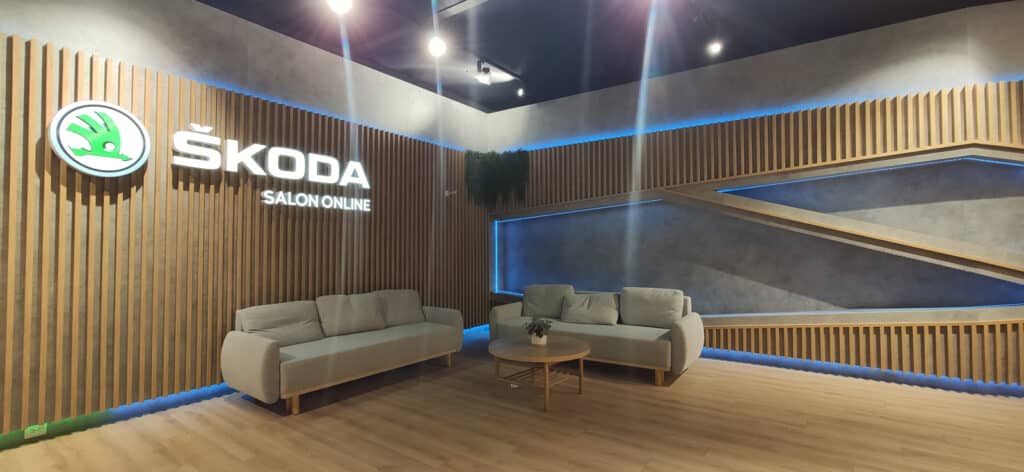
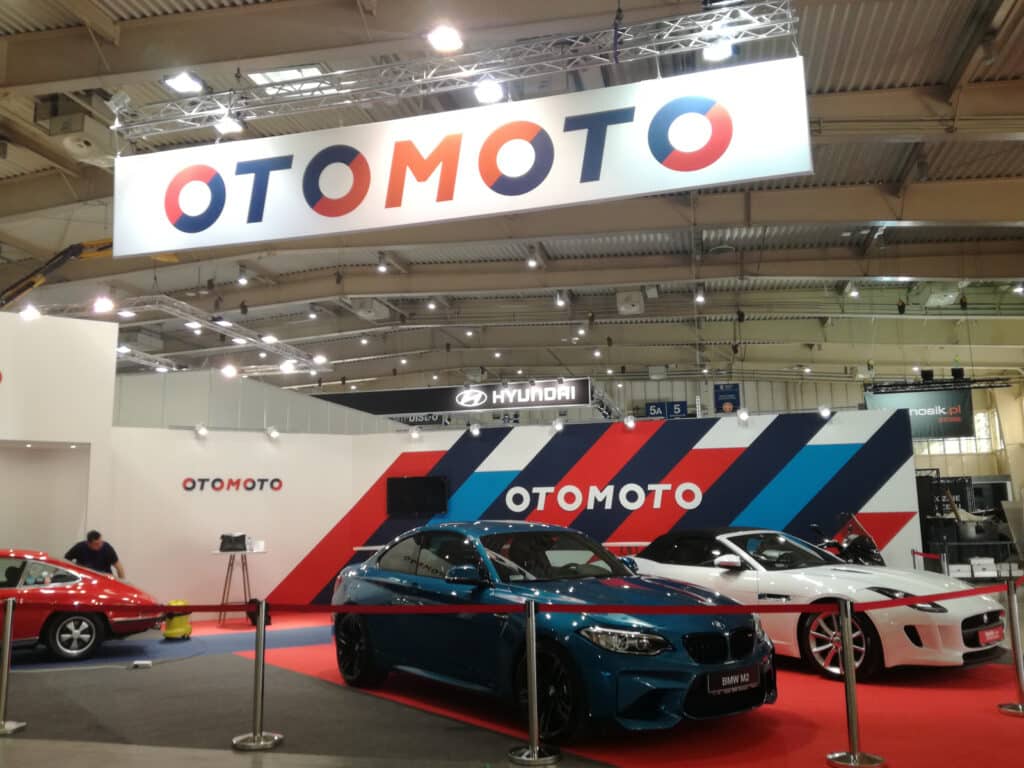
Showroom design – what role does it play in brand presentation?
The foundation of showroom development is professional design, which focuses not only on aesthetics but above all on user experience. The key is to create a space that reflects the brand’s identity and allows the customer to “step into” its world. Well-planned exhibition stands in the form of showrooms often resemble interactive retail environments, where every element has a purpose — from lighting and product layout to the overall atmosphere of the space. The design process also includes ergonomics of movement within the space and the proper highlighting of key products.
Creating showrooms – from concept to a functional design space
The next stage in the development of modern showrooms is their creation, meaning the transformation of a design concept into a real, fully functional space. At this stage, visual consistency and attention to detail are particularly important, as they significantly influence the overall perception of the arrangement. Showroom creation involves selecting and matching furnishings, finishing materials, and display systems, which together build a unified brand experience. Every element must be carefully considered, as a showroom not only presents products but also tells the company’s story.
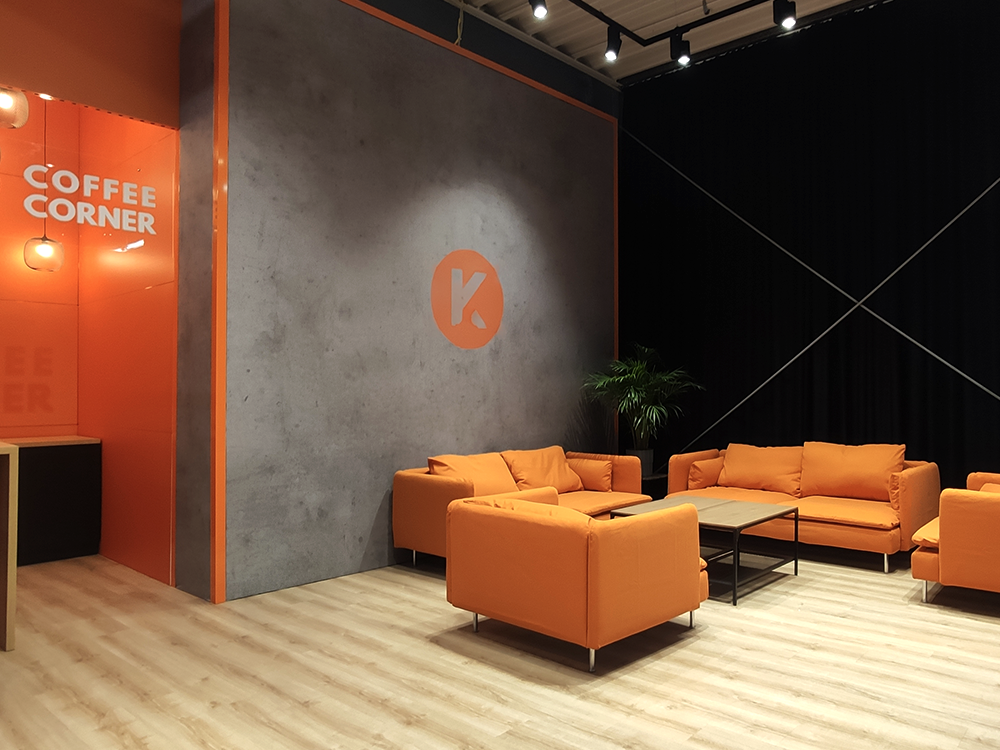
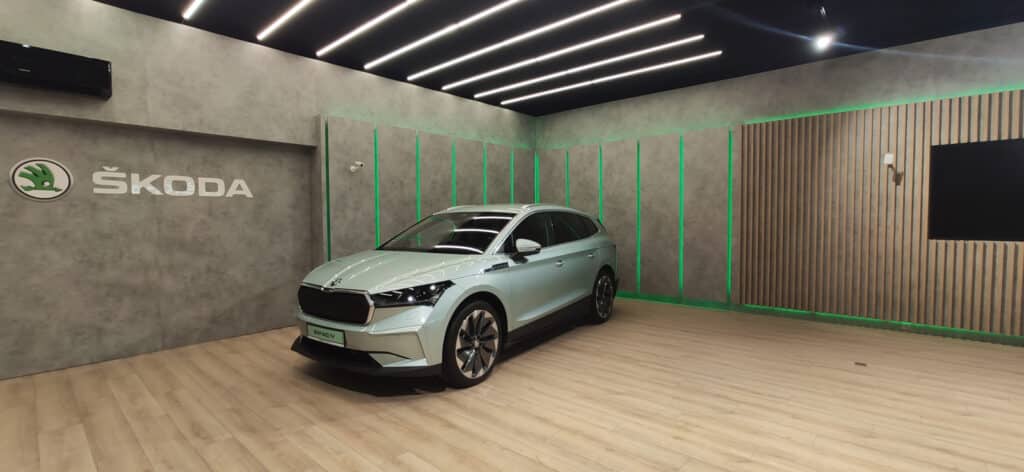
Showrooms are often designed to reflect real-life usage conditions of products, which increases their credibility in the eyes of customers. Aesthetics also play an important role, as they help build a cohesive experience aligned with the brand and its values. These spaces can be flexibly arranged, making it easy to adapt them to changing collections or marketing campaigns. Increasingly, showrooms also serve as venues for events such as product launches or industry meetings. As a result, they become multifunctional hubs of interaction between a brand and its customers.
Showrooms: production and installation at the highest standard
When it comes to showrooms, production typically includes all of their components. High-quality workmanship is crucial in this case, as a showroom space often serves both a representative and sales function at the same time. The final stage worth highlighting is installation, which requires precision and experience so that all elements are perfectly fitted and form a cohesive whole. It is this professional installation that ensures not only aesthetics but also the functionality of the entire space.
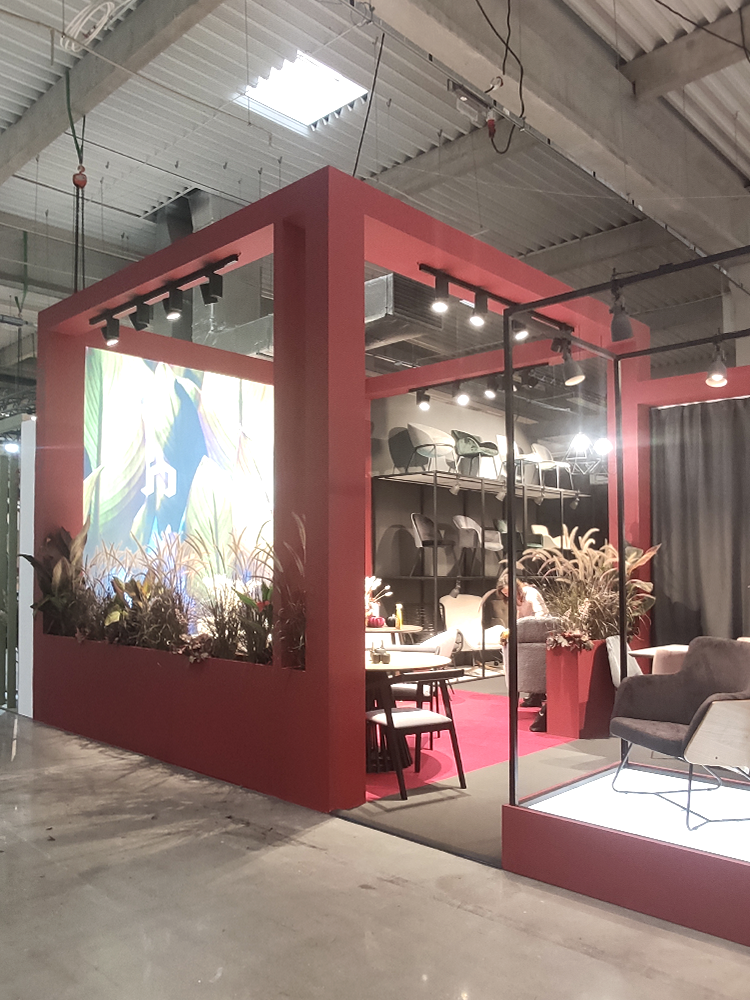
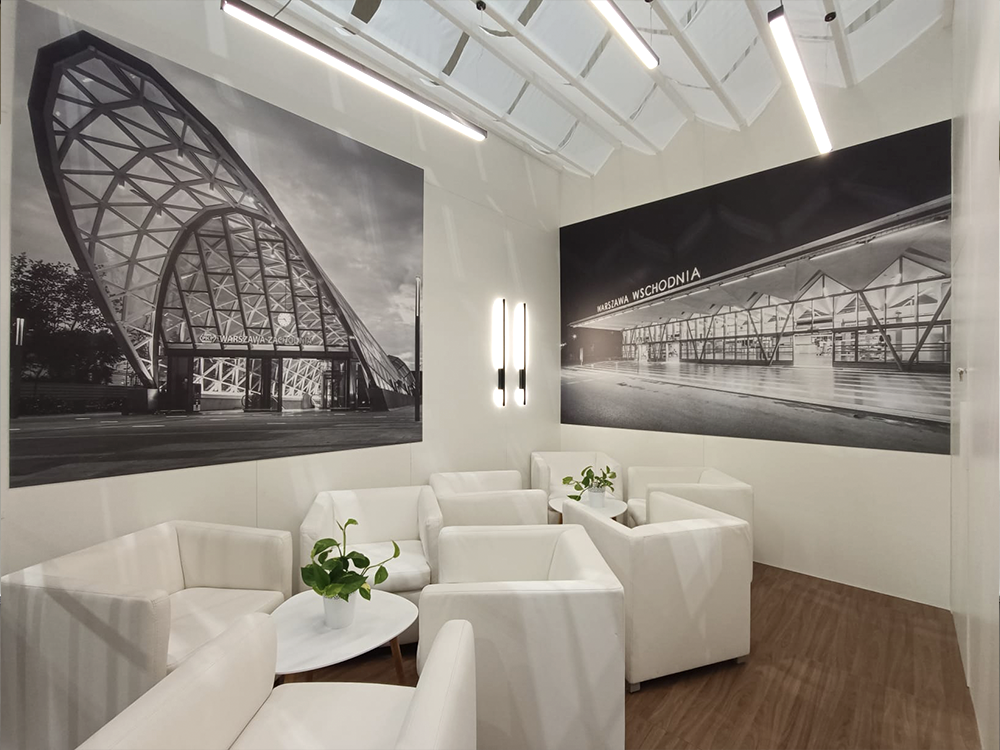
An important part of the process is also the early preparation of a technical design, which helps avoid errors during implementation. In showroom production, a variety of materials are often used — combining wood, metal, glass, and modern composites to achieve the desired visual effect. Every detail must be carefully refined, as it influences how the entire space is perceived by customers. A well-designed and properly executed showroom can significantly improve a company’s sales effectiveness.
Showrooms – a modern form of brand presentation
Showrooms are an effective tool for building brand image and driving sales, allowing customers to experience a brand in a more engaging way than through traditional displays. Thanks to a comprehensive approach — including design, creation, production, and installation — it is possible to create a space that inspires, attracts attention, and strengthens customer relationships. Showrooms also enable a better understanding of customer needs, as direct contact with products encourages conversation and the exchange of information.
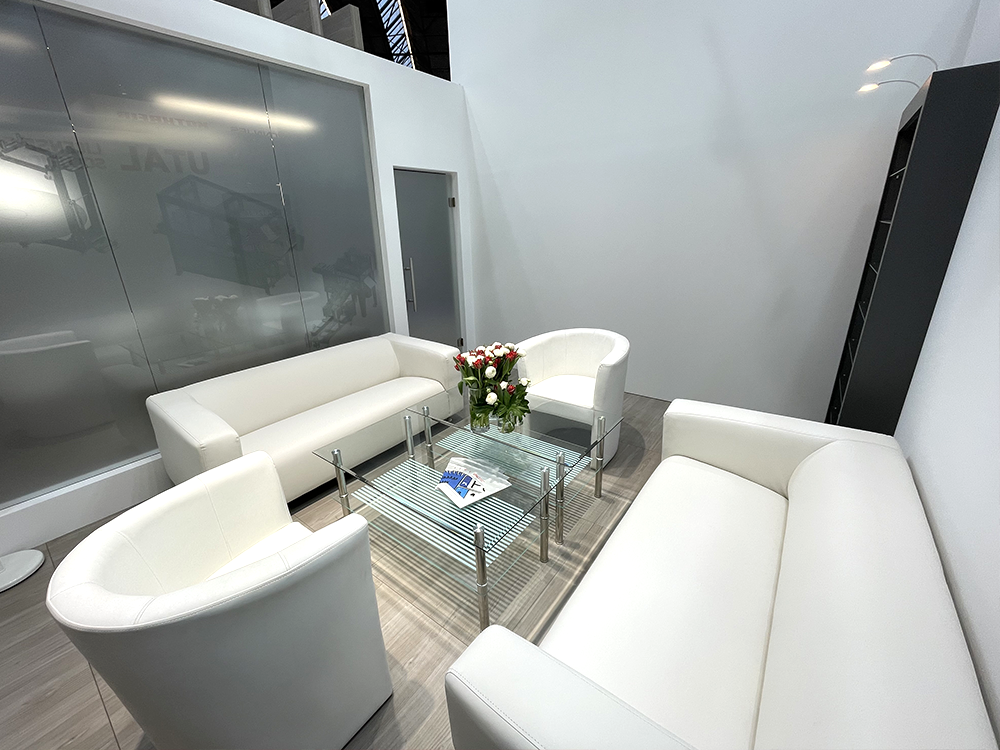
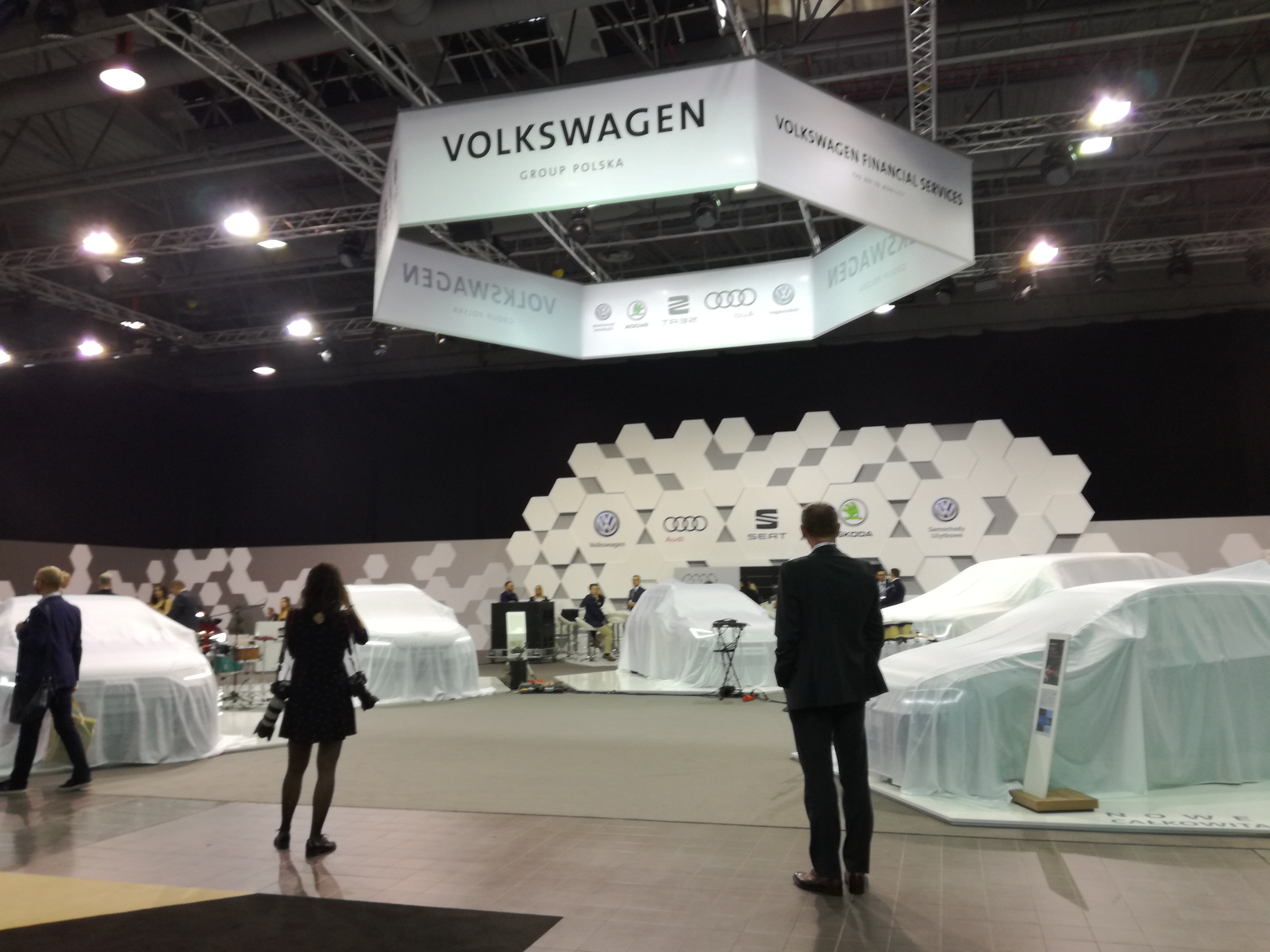
A well-designed space influences customers’ emotions, which can significantly increase their engagement and willingness to purchase. High-quality showroom execution directly reflects the perceived professionalism of the entire brand. Such spaces also help differentiate a company from its competitors by offering a unique shopping experience. As a result, a showroom becomes not only an exhibition space but also a strategic element of brand communication.