3D graphics at trade fair stands
3D graphics – what are they and what functions do they serve at trade fair stands?
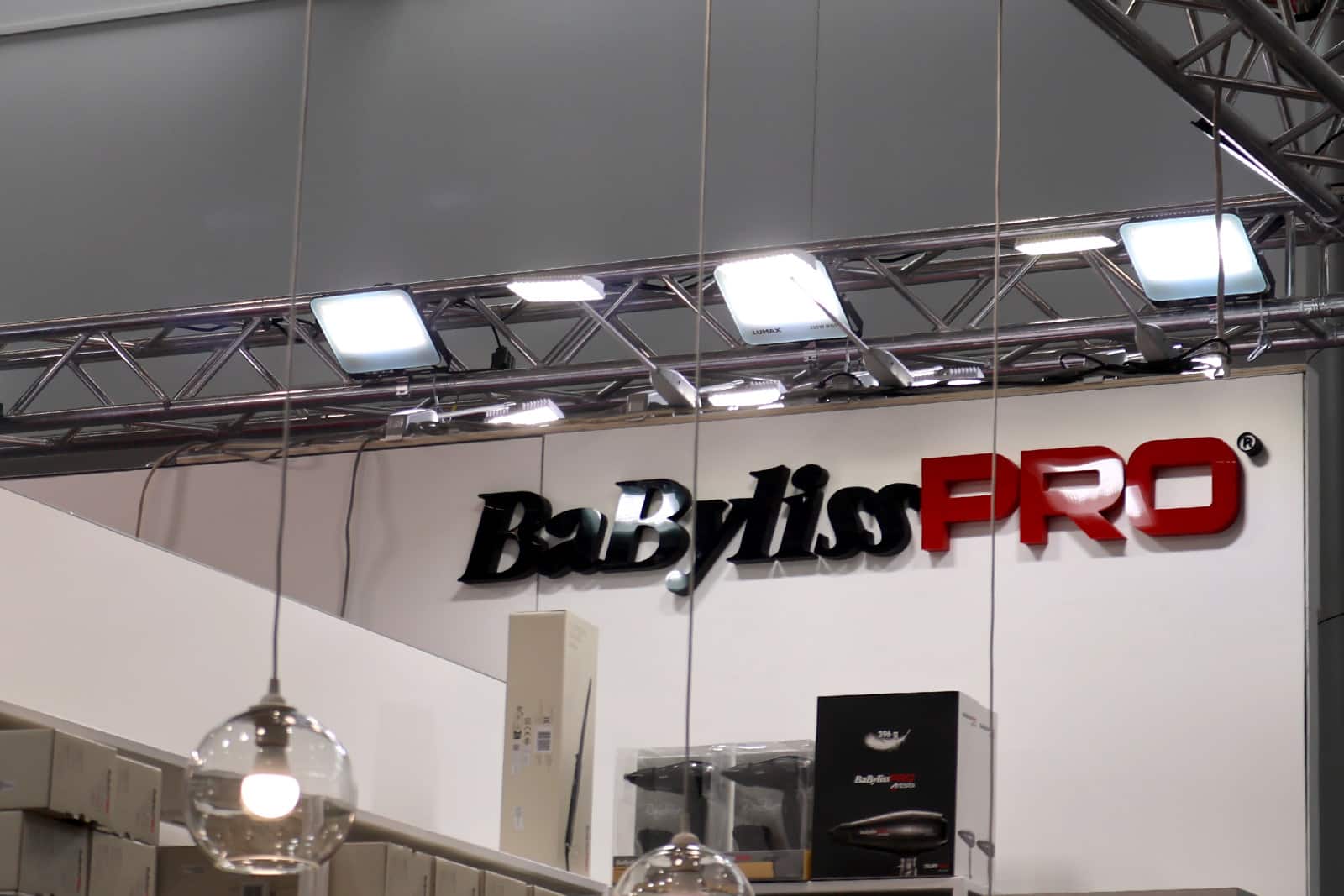
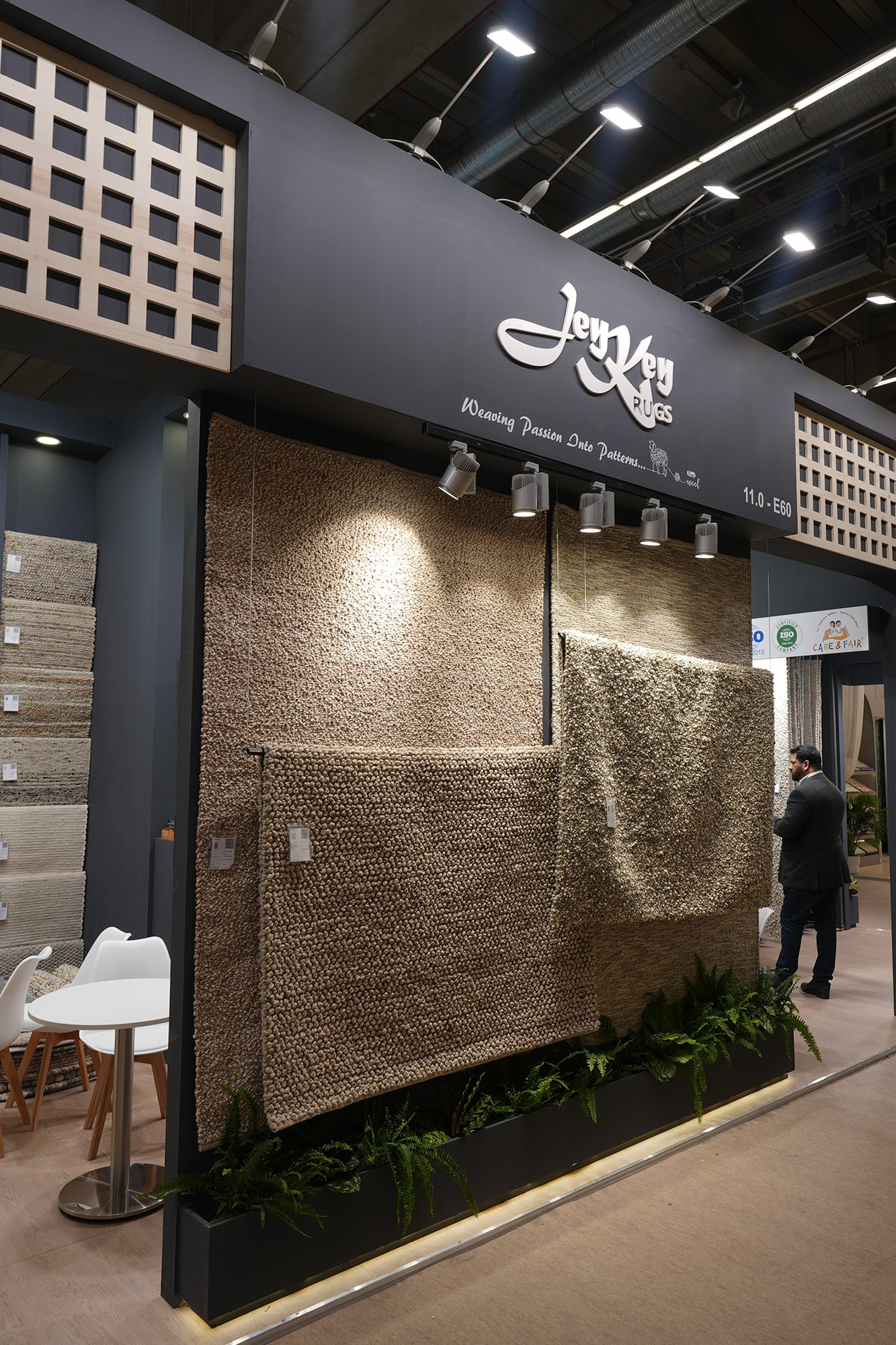
3D spatial graphics are one of the most striking elements of modern trade fair stands. Unlike flat prints, they use physical depth, which makes them more effective at attracting visitors’ attention and helps build a more premium brand image.
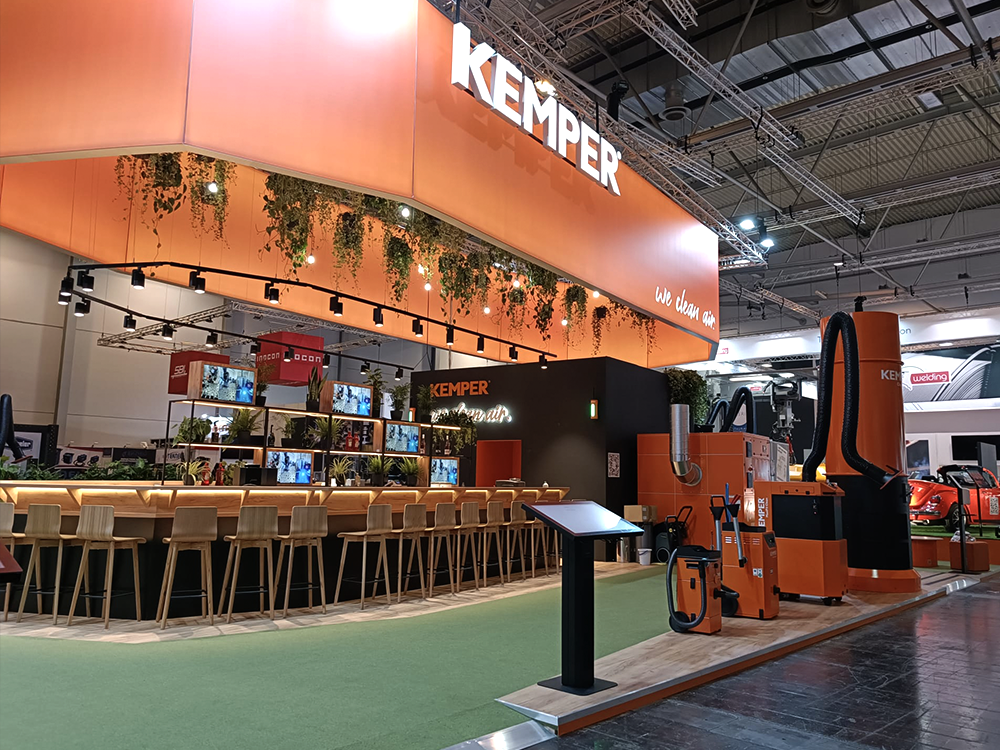
Three-dimensional elements are used both in small modular stands and large premium constructions as well as double-deck stands. They most often serve functions related to visual identity, signage, and decoration.
W In the trade fair industry, 3D graphics are primarily used for:
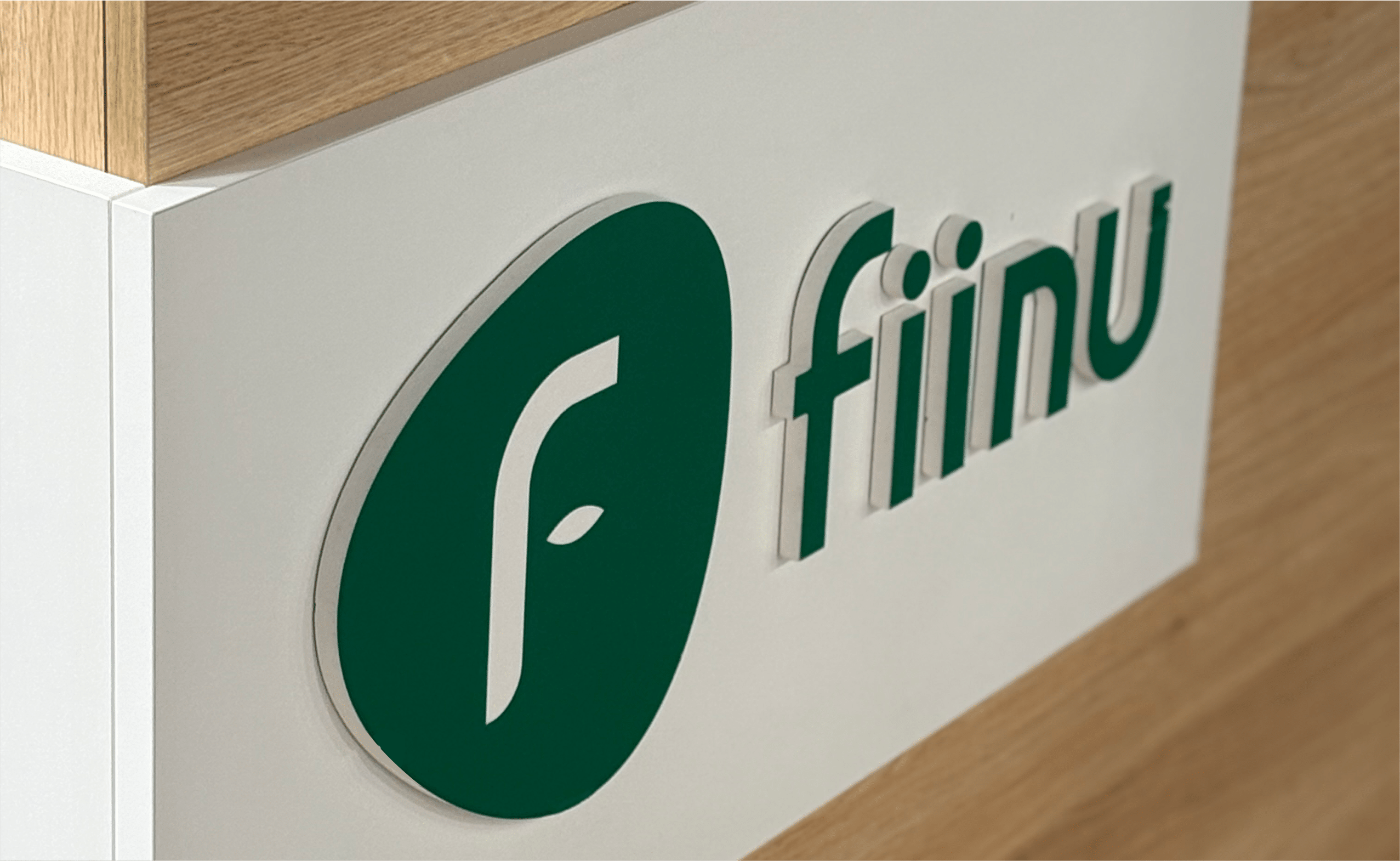
- producing spatial logos,
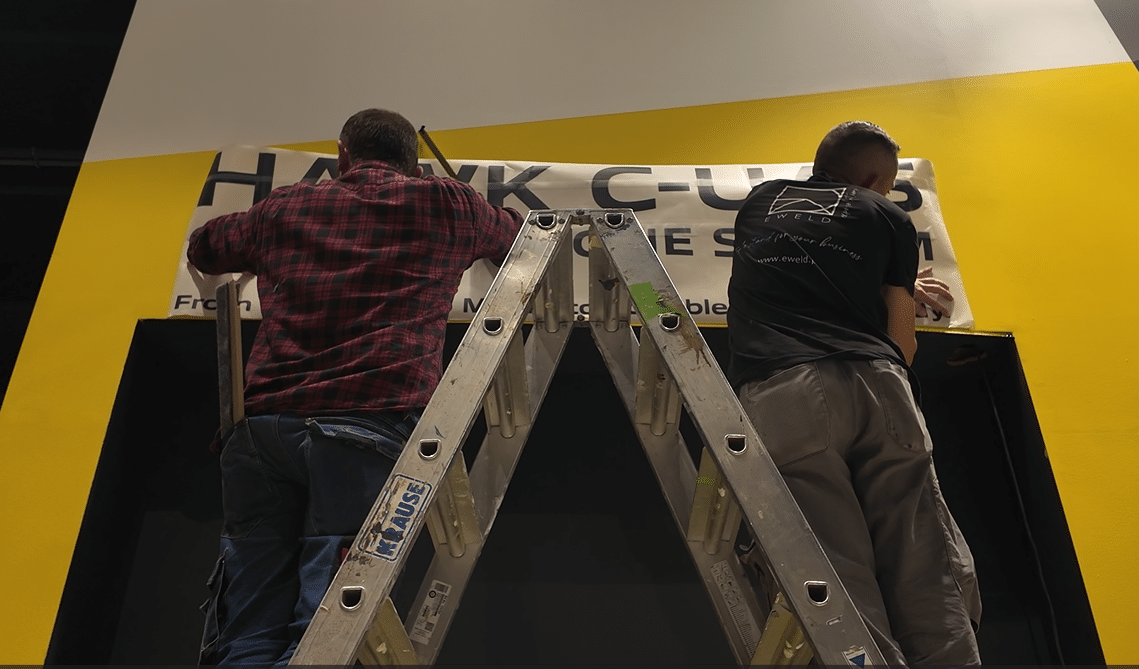
- creating three-dimensional lettering and longer inscriptions or signs,
- highlighting specific zones, such as product areas, meeting spaces, or presentation zones,
- designing scenographic decorations, for example during trade fair opening ceremonies,
- increasing brand visibility and prestige within the exhibition hall.
Well-designed spatial elements significantly improve stand recognition and increase the chances of attracting and retaining visitors’ attention.
Why is 3D graphics so effective in marketing?
The human eye naturally responds to contrast, light, and spatial depth. For this reason, 3D elements are much more noticeable than traditional flat prints.
IIn practice, spatial graphics:
- increase brand visibility,
- create a premium effect,
- improve stand memorability,
- enhance brand image appeal,
- emphasize the modern character of the brand.
Modern trade fair projects have long used spatial graphics as a premium accent — a distinctive element of visual communication.
Types of 3D spatial graphics
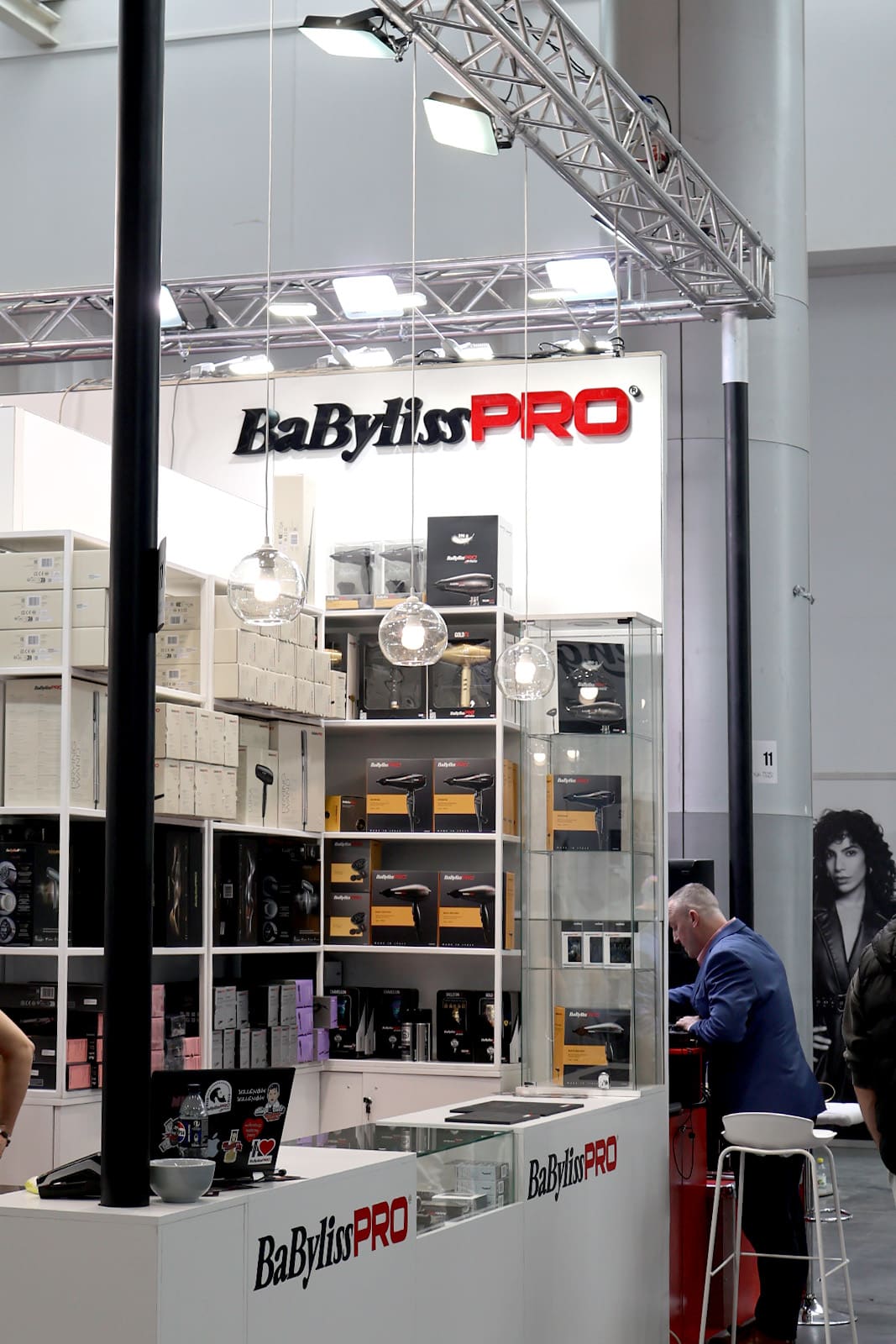
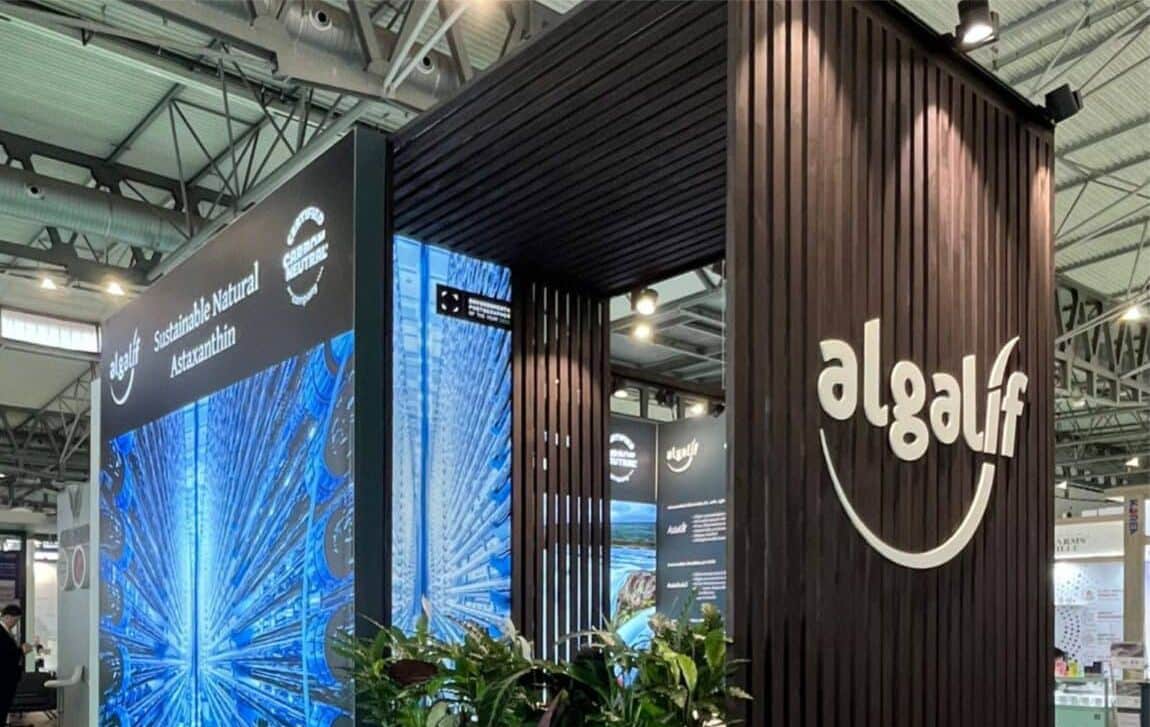
3D spatial lettering
One of the most popular solutions used at trade fairs. 3D spatial lettering is most commonly made from:
- plexiglass (acrylic),
- PVC,
- Dibond,
- styrofoam (XPS),
- aluminum.
Each material allows for a different thickness and character of the spatial element — from subtle details ranging from 3 to 20 millimeters made of milled PVC or acrylic sheets, to multi-centimeter and large-scale forms made of styrofoam or bent PVC.
The choice of material and thickness depends primarily on the size of the sign, the display method, and the expected visual effect. Elements can be painted, varnished, covered with foil, or backlit in accordance with
Milled logos
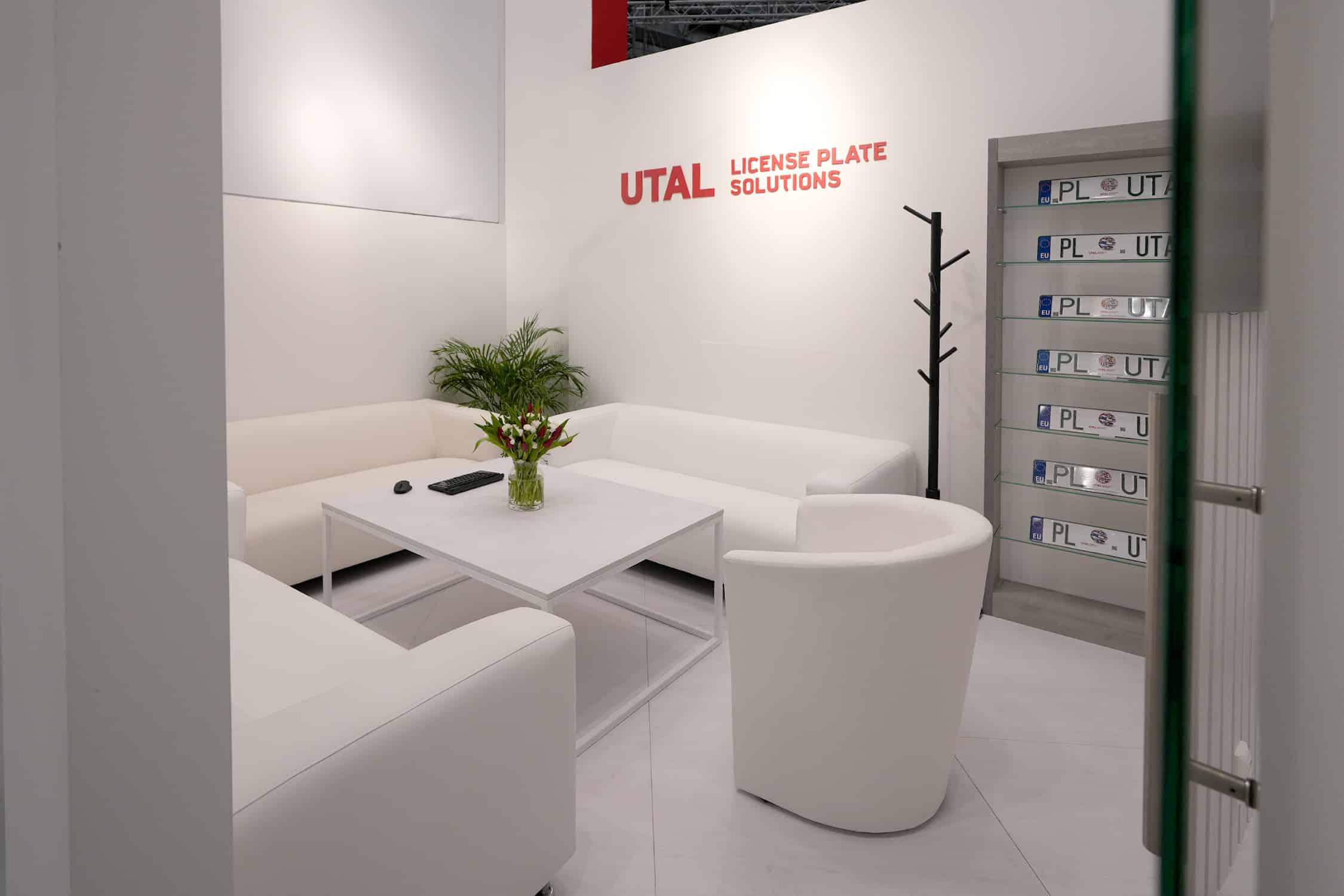
Logos produced using CNC milling allow for highly precise shapes and an exclusive display effect. This technology enables the production of both simple brand marks and more complex spatial forms while maintaining a high level of detail accuracy.
Milled logos are often combined with LED lighting or acrylic elements, which further increases their visibility at trade fair stands.
Styrofoam elements
Styrofoam (XPS) is lightweight and relatively inexpensive, which is why it is very often used to create large lettering, spatial forms, and scenographic decorations. The material offers great processing flexibility and can be additionally varnished, painted, or wrapped in foil after applying a front surface, for example made of a thin PVC board.
Thanks to its low weight, styrofoam elements are ideal for trade fair constructions that require frequent transport and quick installation.
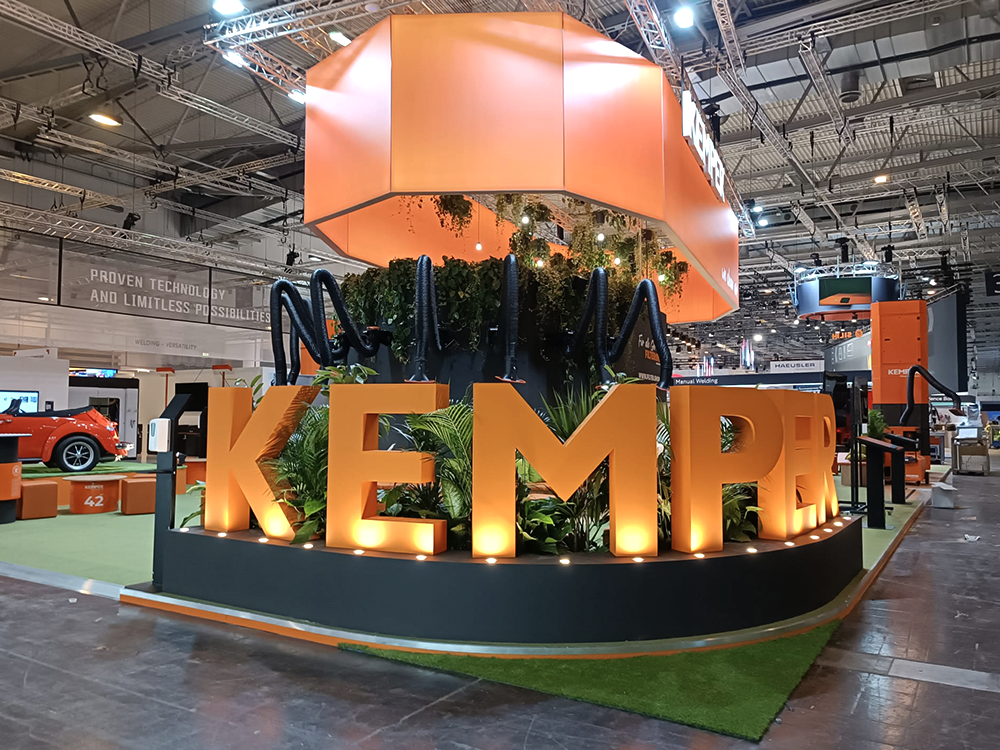
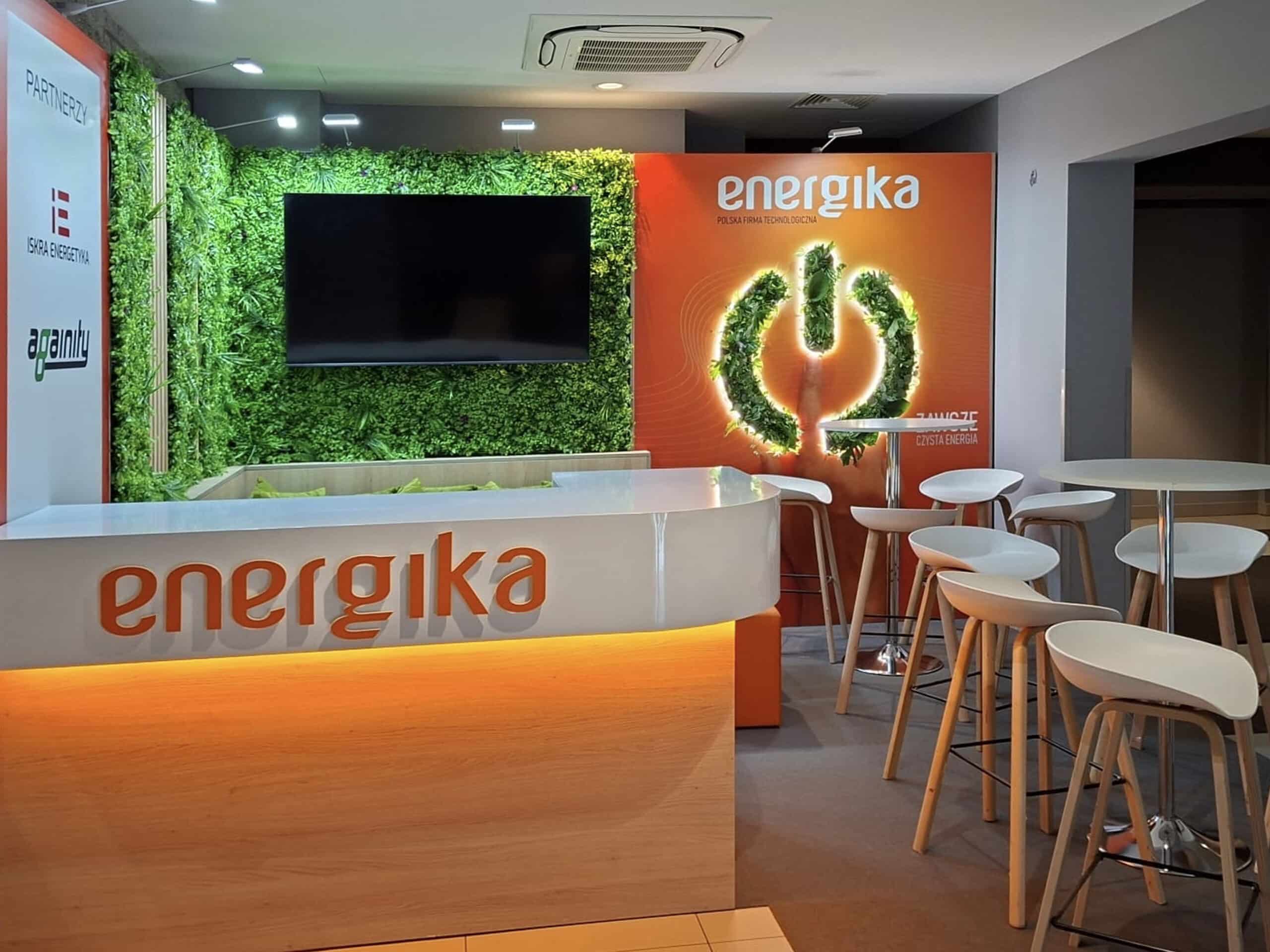
They are very often used for the production of:
- large spatial logos,
- 3D lettering,
- scenographic decorations,
- branding elements,
- event structures,
- product displays.
In practice, styrofoam often serves as an economical alternative to heavier materials such as aluminum or plexiglass.materiałów takich jak aluminium czy plexi.
Technologies used in the production of 3D graphics
CNC milling
CNC milling enables very precise cutting of shapes from PVC, MDF, Dibond, acrylic (plexiglass), or aluminum. This technology allows for the execution of even highly complex spatial designs.
Laser cutting
Laser is primarily used in the production of elements that require high precision and aesthetic finishing quality. It is particularly effective for acrylic (plexiglass) and thin composite materials.
3D printing
3D printing is also becoming increasingly popular for creating prototypes, product mock-ups, and custom decorative elements such as complex emblems and logo forms. This technology enables the production of designs with intricate shapes that are often difficult or impossible to achieve using traditional manufacturing methods.
Where is 3D spatial graphics used at trade fair stands?
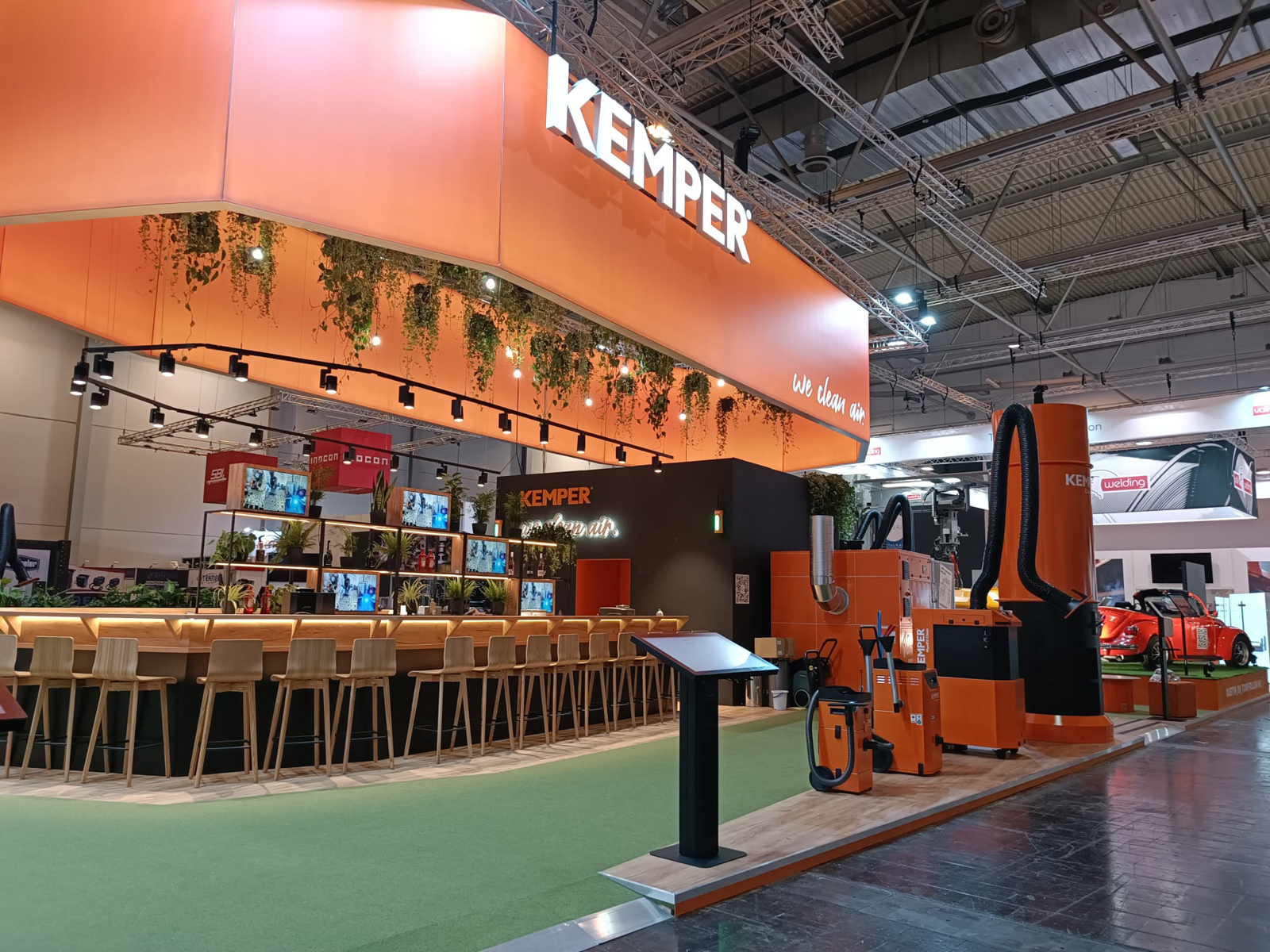
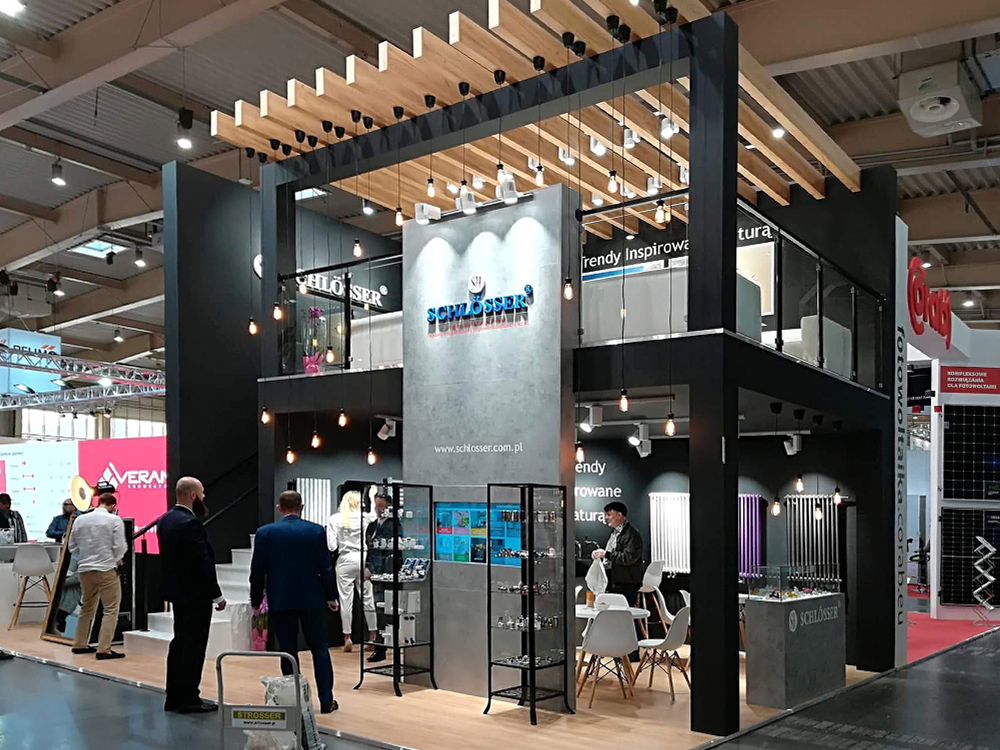
3D spatial graphics are used in almost every area of a modern trade fair stand, serving both an identification and decorative function. They are most commonly applied to main brand logos, exhibition walls, and premium zones, where they emphasize the character and prestige of the display.
They also work very well in product presentation areas, as part of trade fair scenography, and in directional signage. Large spatial logos significantly increase brand visibility even from a great distance, which is crucial in the dynamic and highly competitive environment of exhibition halls.
How does 3D graphics influence brand perception?
Three-dimensional elements create a professional and modern brand image. In marketing psychology, 3D forms are perceived as more prestigious and visually engaging.
In practice, this means that well-designed and flawlessly executed 3D graphics:
- increase brand recall,
- extend the time visitors spend at the stand,
- emphasize product quality,
- enhance the attractiveness of photos and social media content,
- support premium brand communication.
More and more brands are now designing their exhibition stands with social media exposure in mind. Striking 3D elements often become the focal point of photos taken by visitors.
Common mistakes in spatial graphics design
Despite the great technological possibilities, poorly designed 3D graphics can reduce the quality of the entire exhibition. The most common mistakes include:
- excessive number of spatial elements,
- lack of consistency with the visual identity,
- incorrect proportions of lettering,
- insufficient viewing distance considerations.
Spatial graphic design should always take into account the conditions of the exhibition hall, visitor flow directions, and the way products are displayed, becoming an integral part of the trade fair stand design — not its dominant feature.
3D graphics and LED lighting
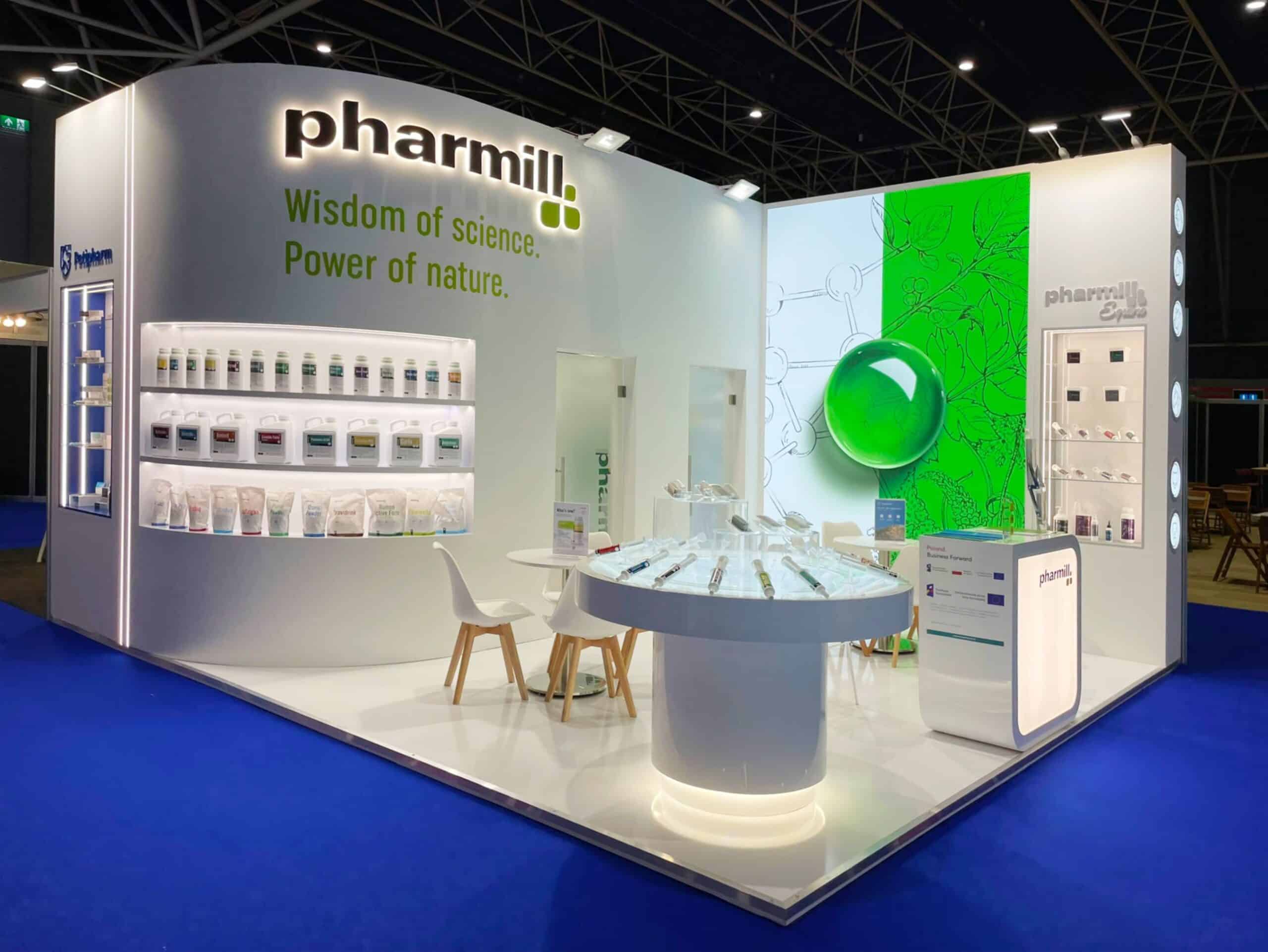
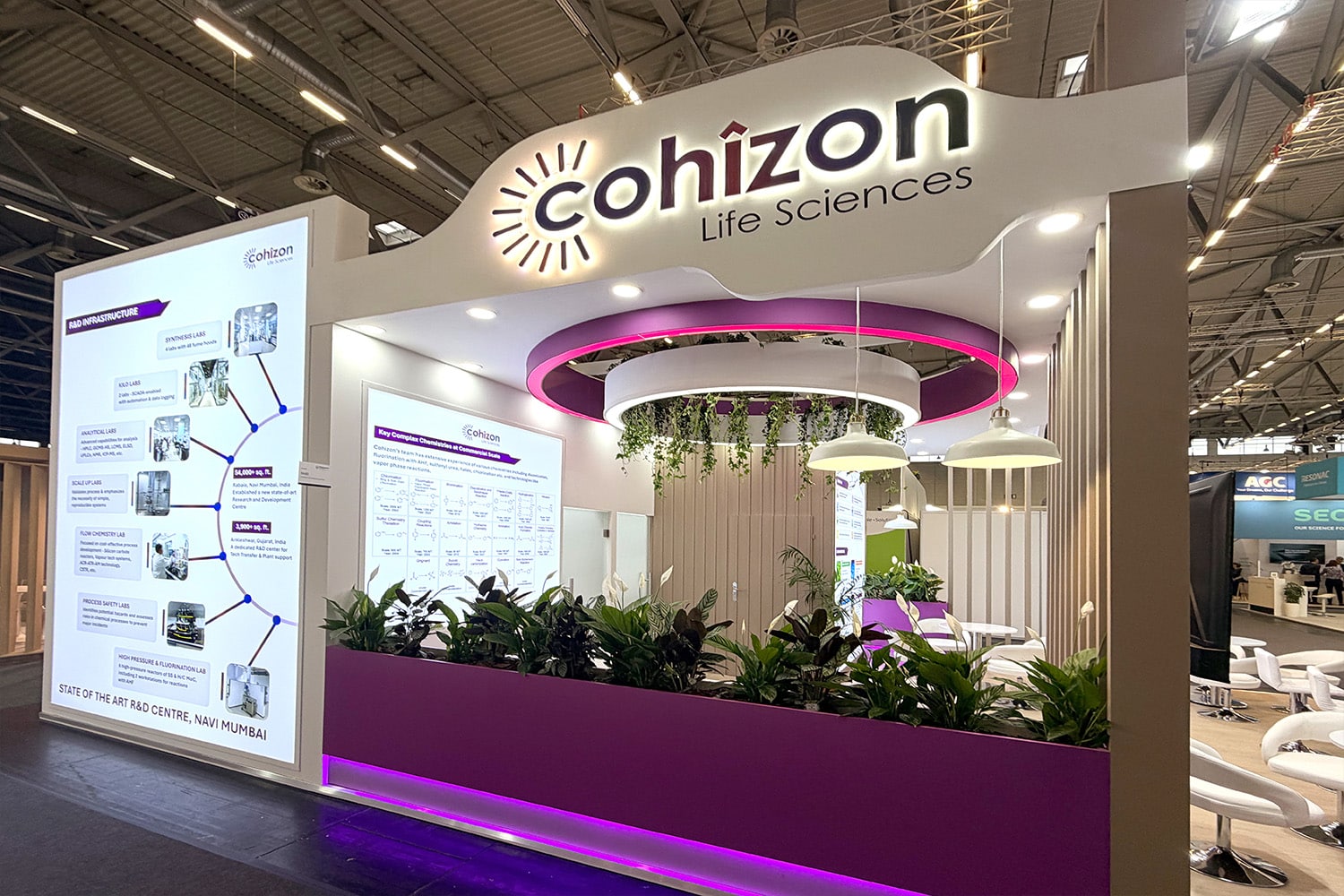
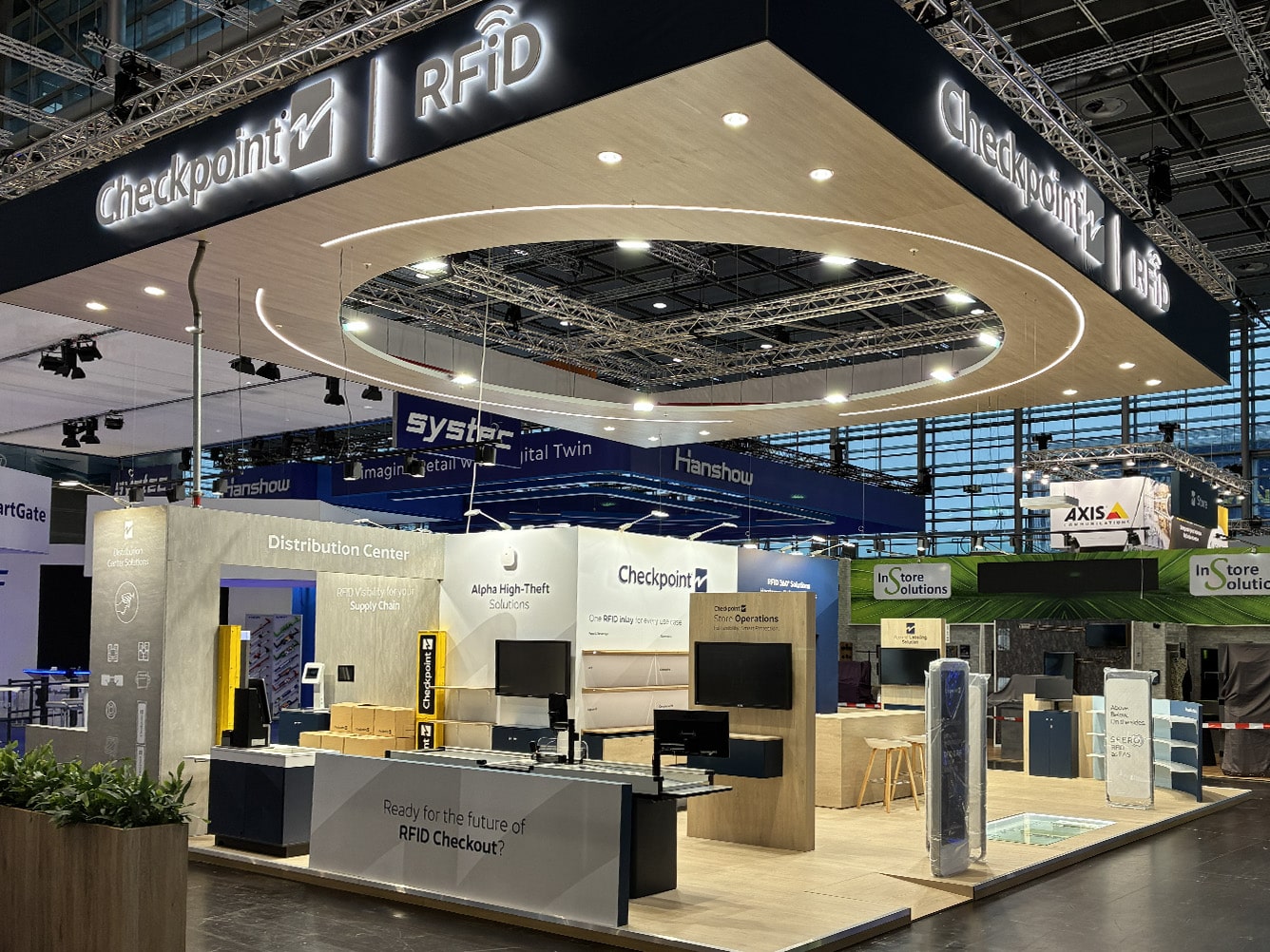
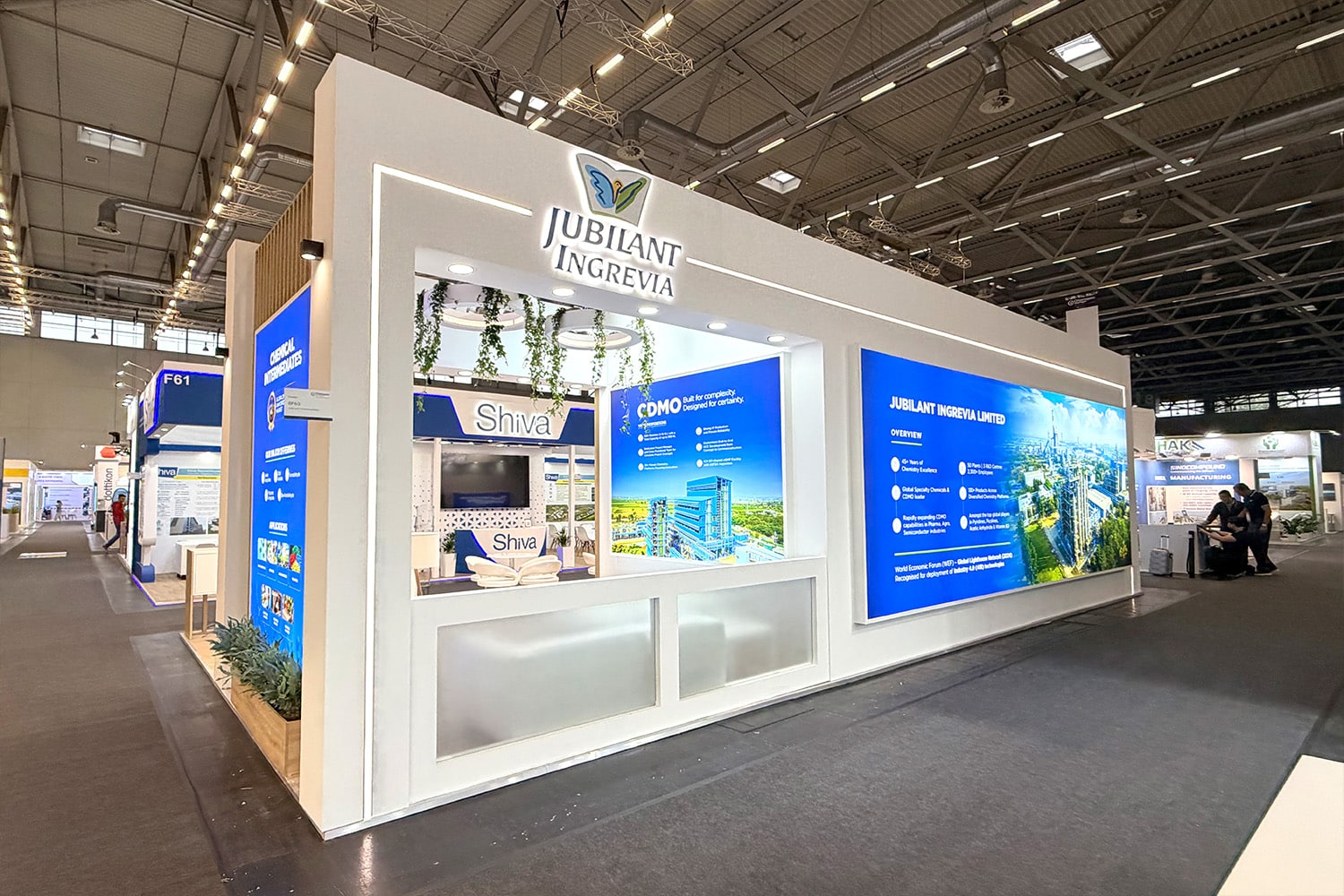
One of the most effective solutions currently used at trade fairs is the combination of spatial graphics with LED lighting. This makes it possible to achieve a premium effect and very high visibility.
The most commonly used solutions include:
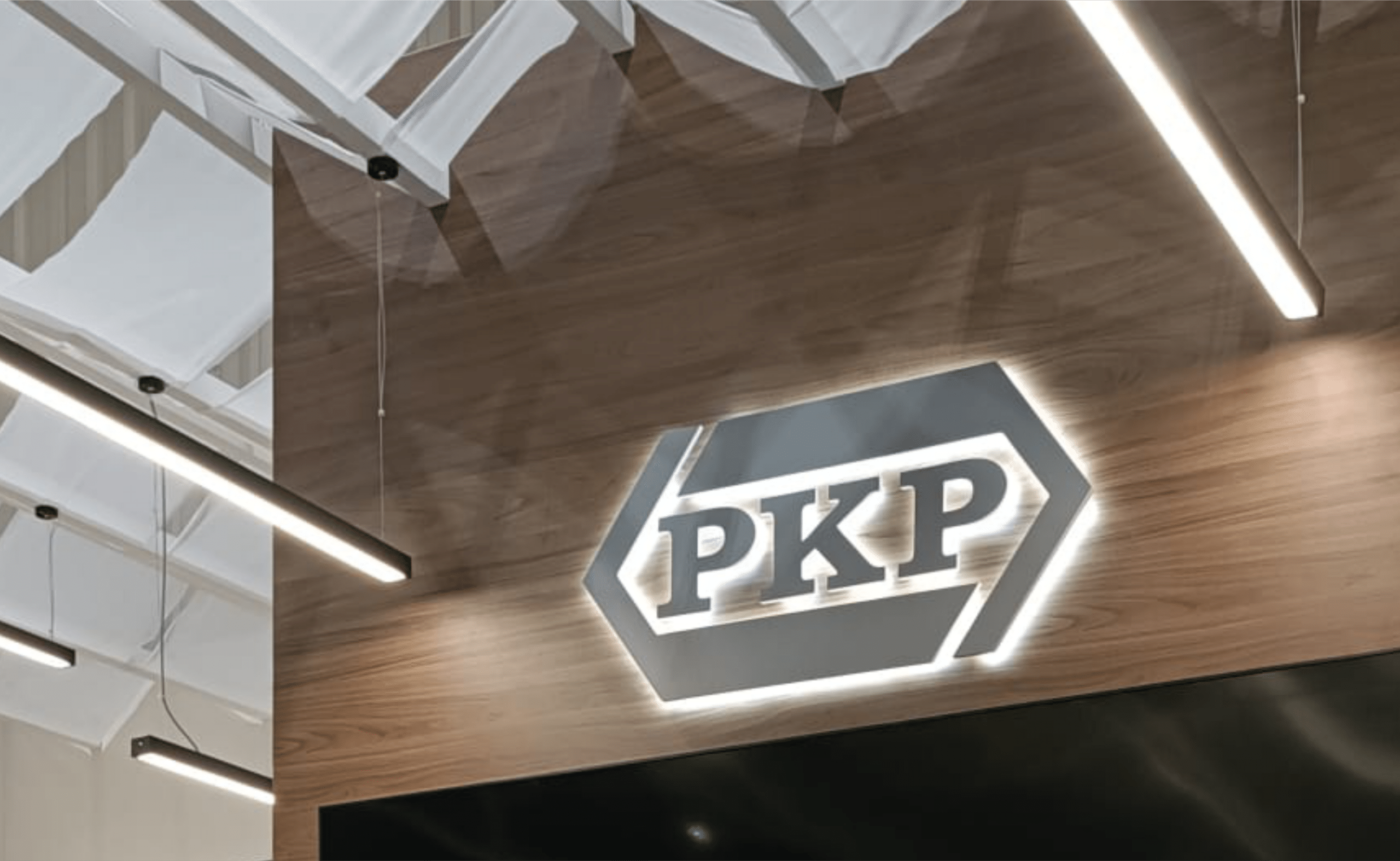
Halo lighting
In this solution, the face and sides of letters or logos are made from light-blocking materials, while the illumination is emitted from behind. The light reflects off the wall surface, creating an elegant glowing halo effect around the sign.
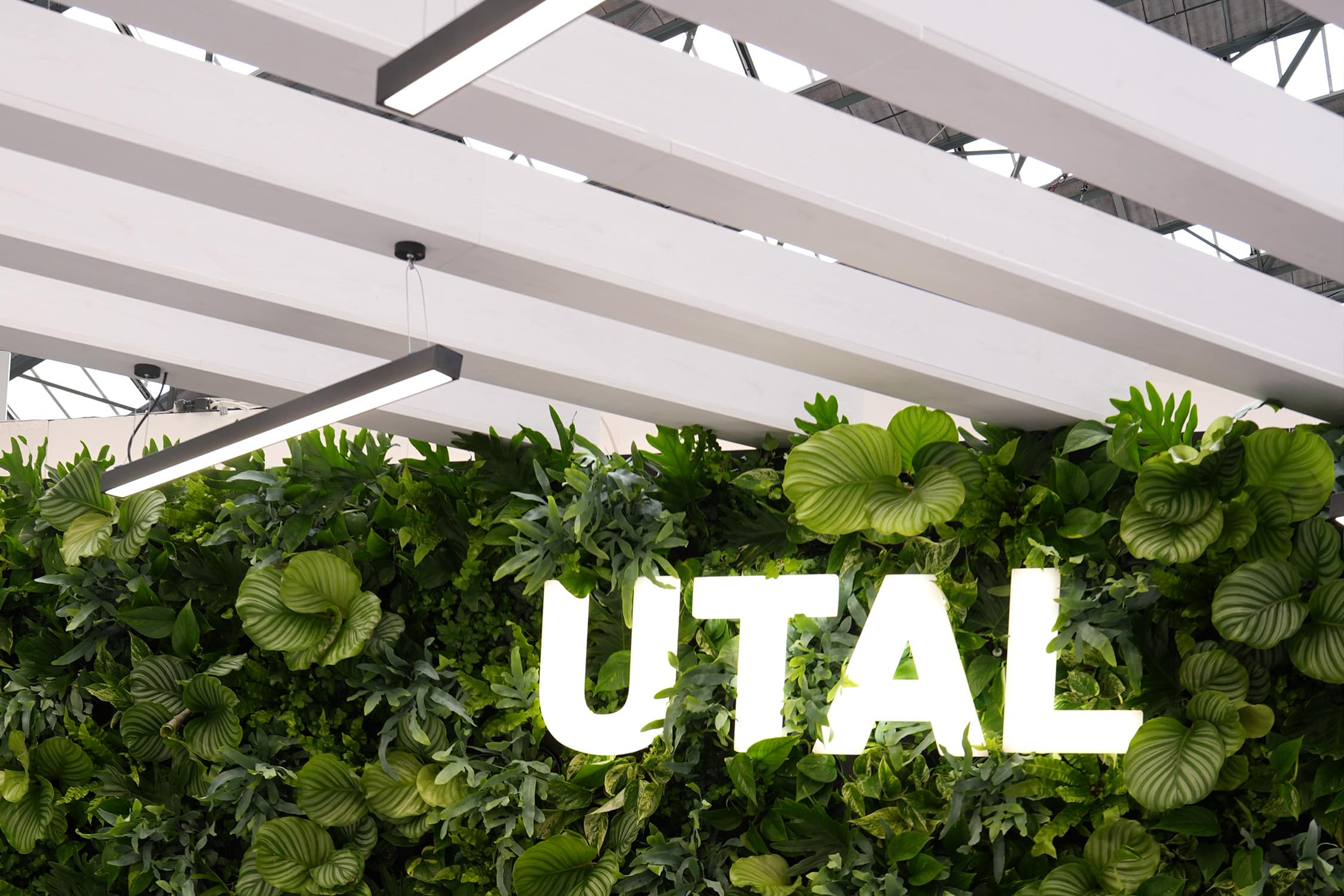
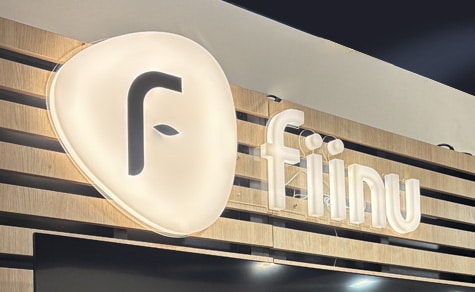
Front-lit graphic
This is the most commonly used type of illumination, where the front of the graphic is made of translucent milky acrylic that allows light to pass through. As a result, the logo or lettering is evenly illuminated and clearly visible even from a long distance.
Edge-lit graphic
This technology uses transparent acrylic panels illuminated along their edges. The light reveals only the engraved or printed elements of the graphic, creating a modern and minimalist visual effect.
Illuminated sides
In this solution, light is emitted through the translucent or open sides of the three-dimensional letters. This effect emphasizes the depth of the structure and gives the graphics a modern, dynamic character.
Full-lit graphic
The entire structure is made from light-transmitting materials, allowing the graphics to illuminate evenly from every visible side. This solution is often used in modern premium displays.
Backlit printed graphics
These systems are based on aluminum frames and printed fabrics or backlit materials. LED lighting installed inside the structure ensures even light distribution across the entire surface of the graphic, enhancing its visibility and color intensity.
These are solutions where design, precision craftsmanship, and premium quality come together to create a top-tier brand experience.
Trends in 3D Spatial Graphics
In recent years, the exhibition industry has been rapidly developing solutions that combine modern design, multimedia, and advanced production technologies. Minimalist 3D logos, RGB LED lighting, and the integration of spatial graphics with multimedia screens and interactive elements are becoming increasingly popular.
There is also a growing interest in organic forms, lightweight modular systems, and sustainable materials, which make it possible to create visually striking yet more environmentally responsible trade fair installations. Reusable solutions are gaining importance as well, helping to reduce production costs and minimize the environmental impact of exhibition events.