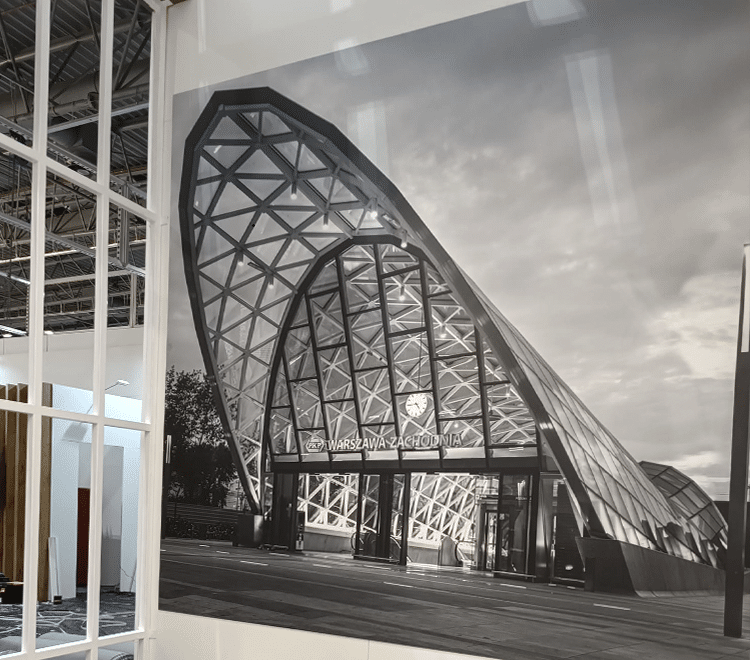
Large-format printing
What is large-format printing?
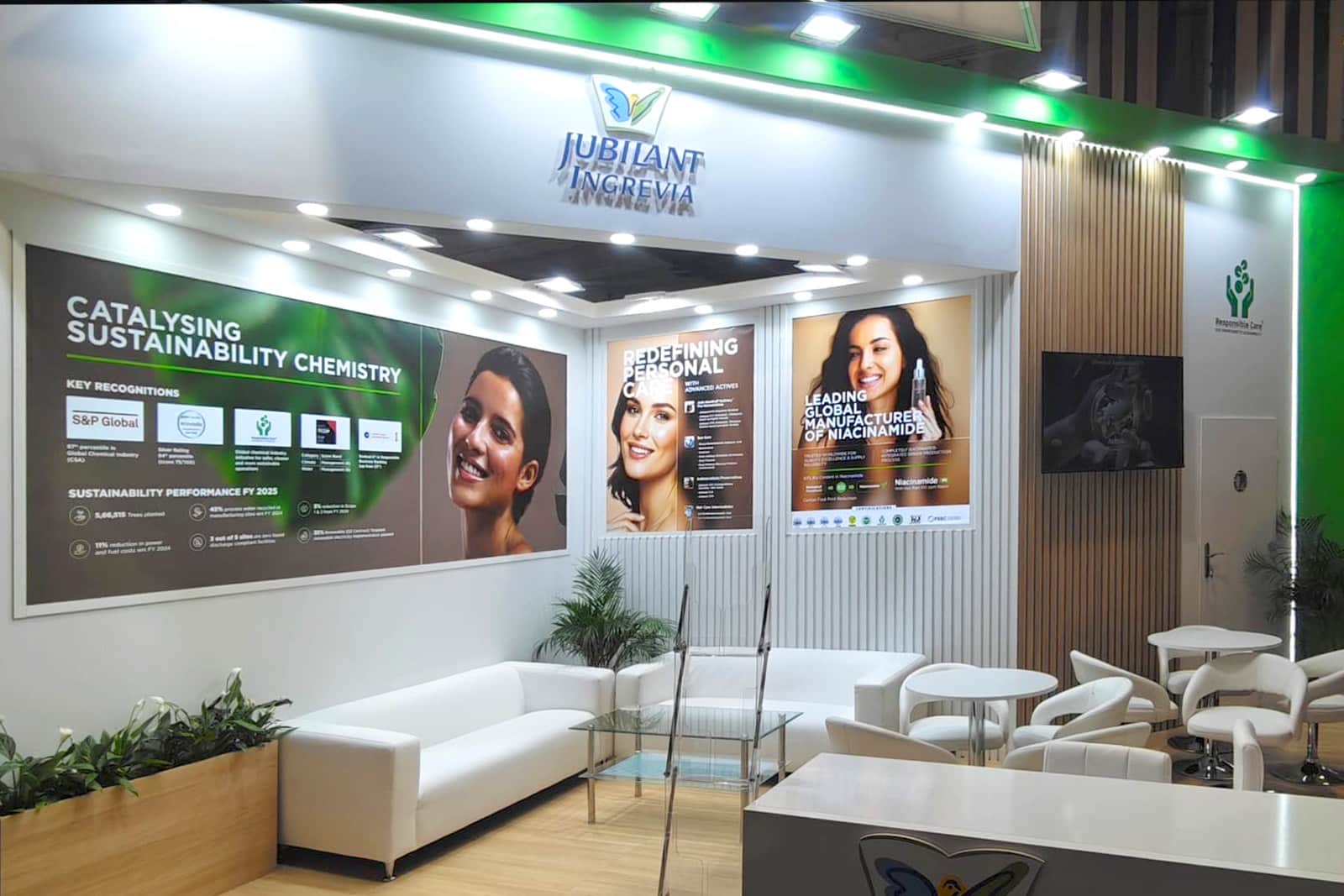
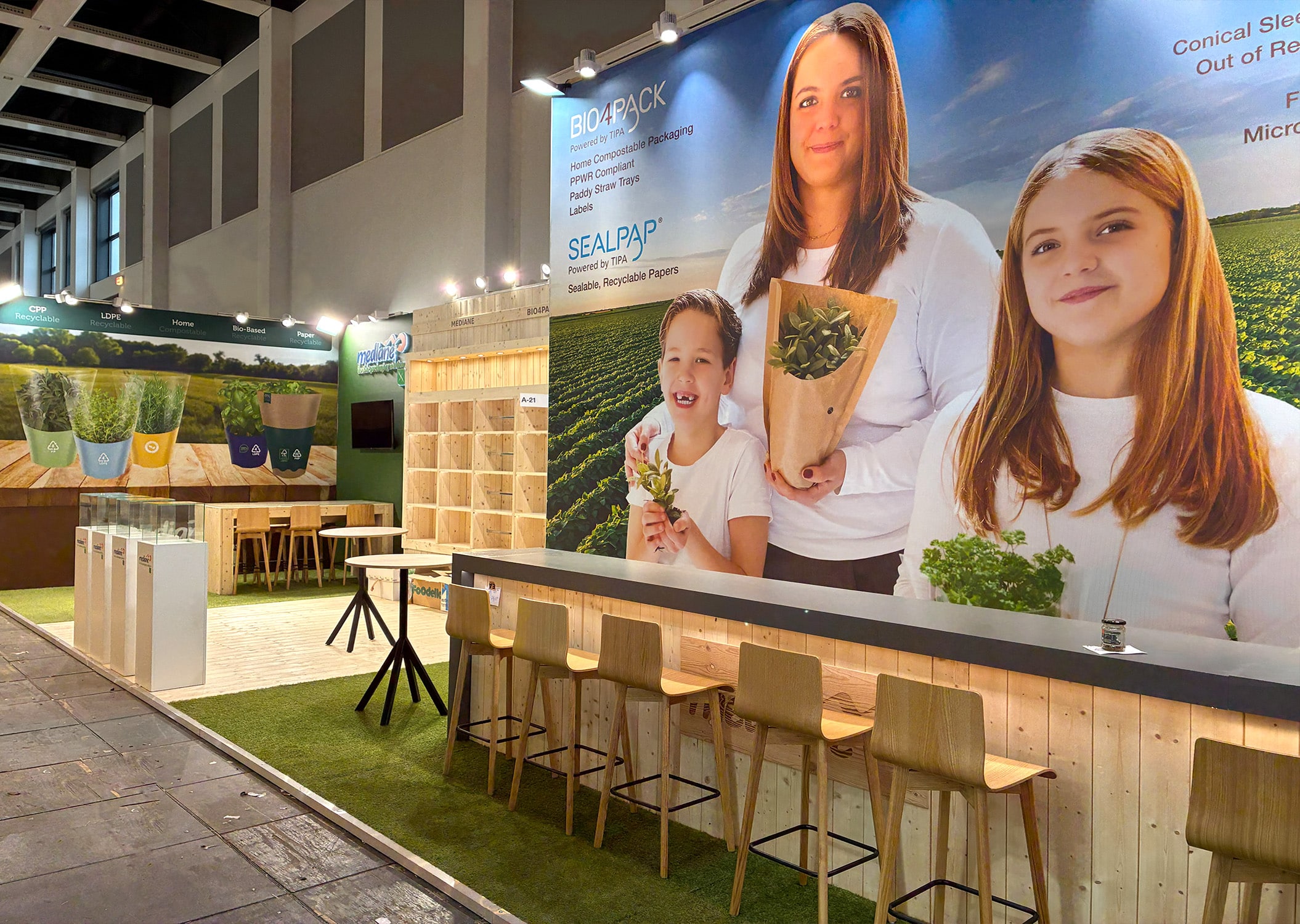
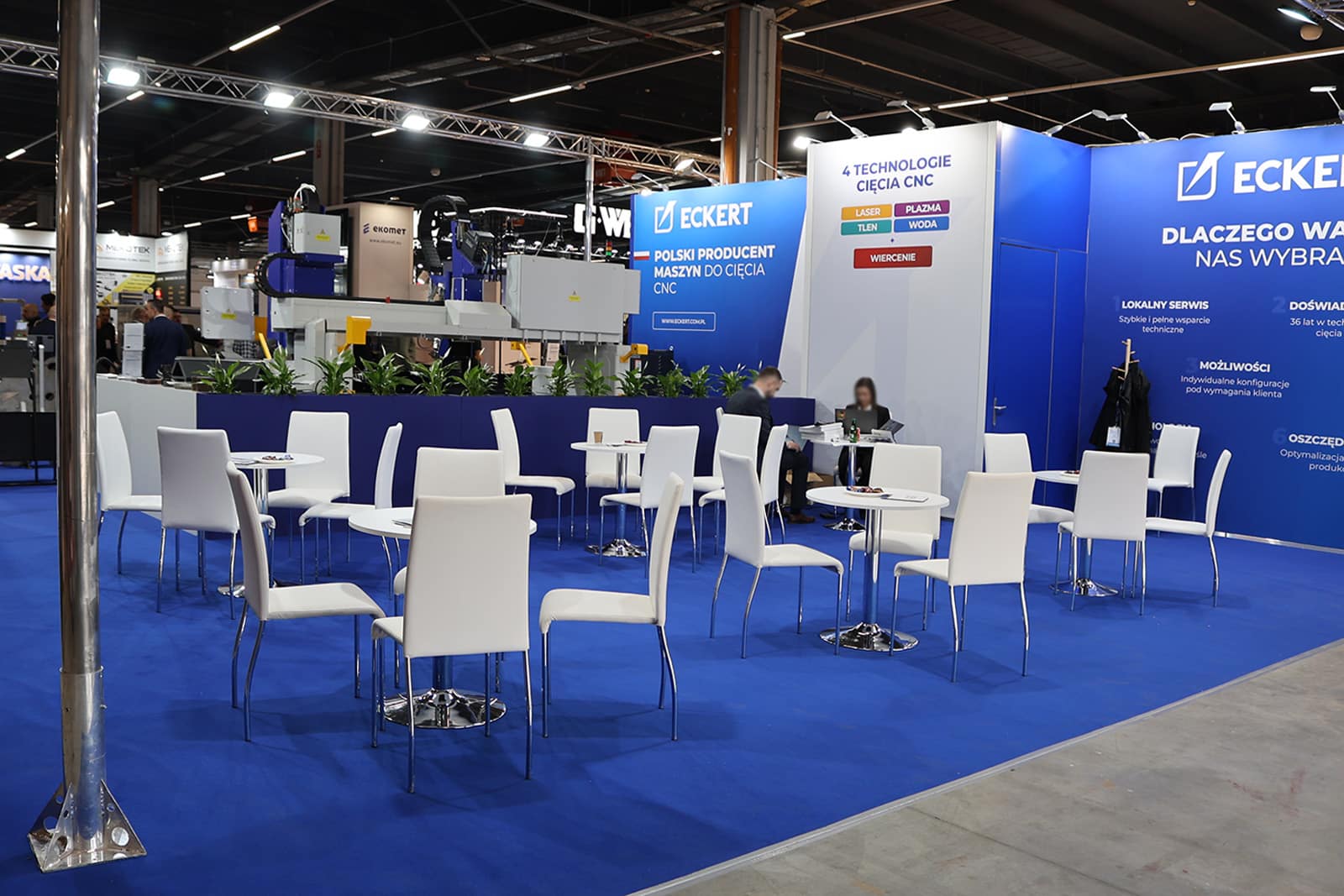
Large-format printing is one of the key technologies used in the design and production of modern exhibition stands. It involves producing large-scale advertising graphics on both flexible and rigid materials – from textiles and films to PVC boards, Dibond panels, and acrylic glass. In the exhibition industry, large-format printing plays a crucial role in creating a strong first impression of a brand, enhancing the visibility of marketing messages, and shaping the overall aesthetics of the exhibition space.
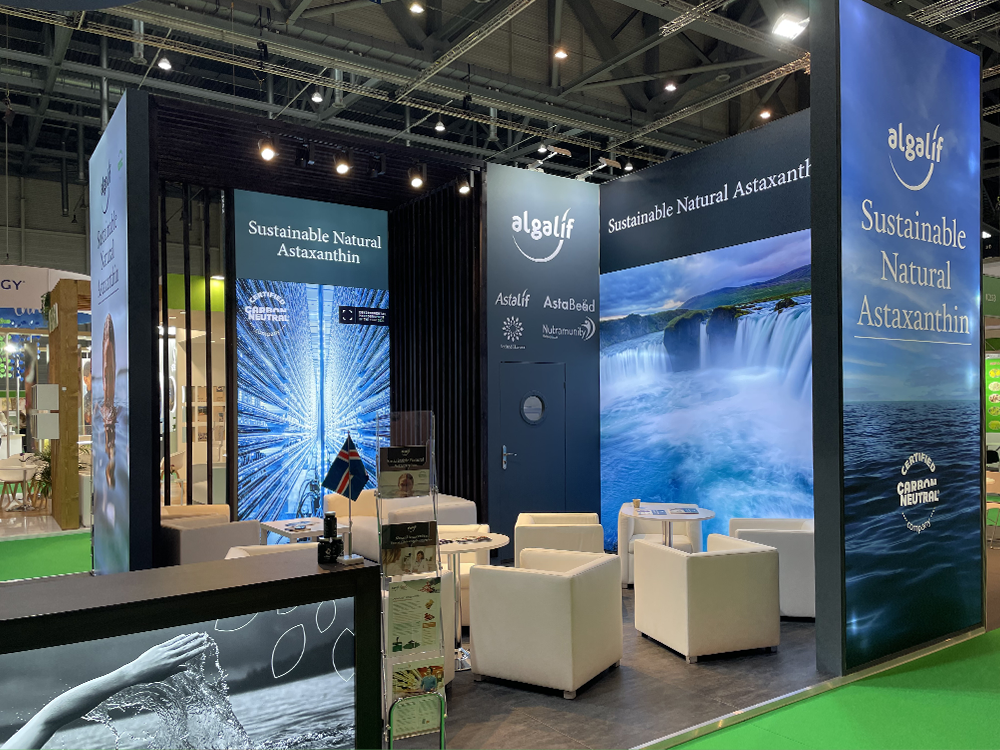
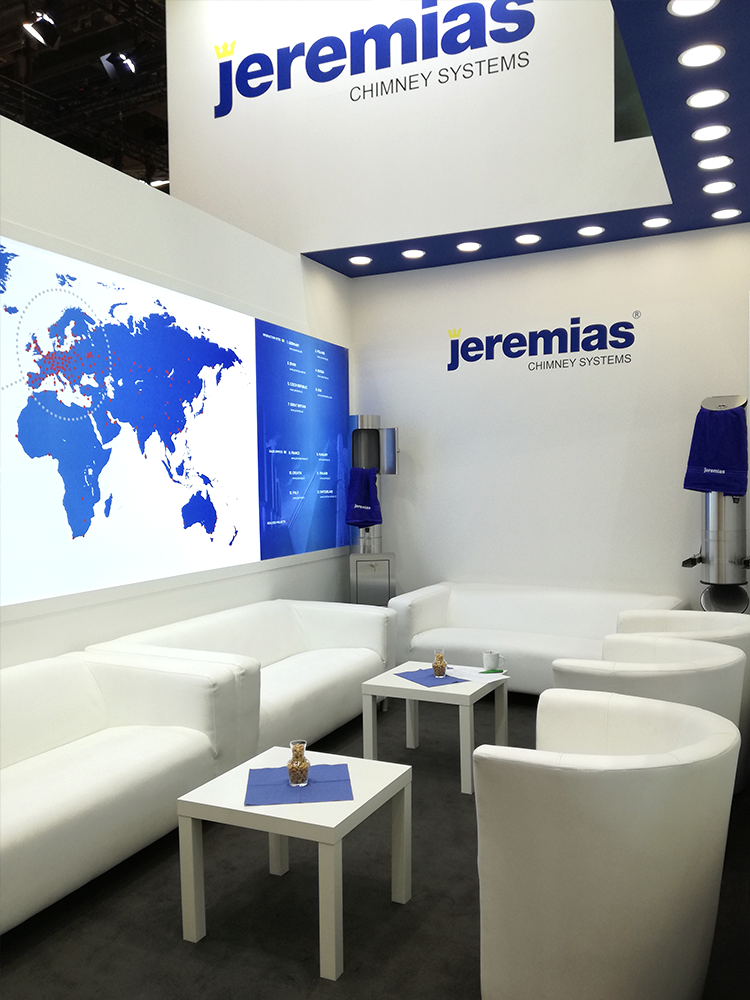
Modern printing systems make it possible to achieve exceptionally high print quality, accurate colour reproduction, and excellent durability, even after repeated installation and transportation. In practice, this allows for the creation of striking advertising walls, illuminated lightboxes, textile graphics, modular displays, and directional signage, making large-format printing an essential element in building a company’s brand image at trade shows and exhibitions.
How does large-format printing work on your stand?
The large-format printing process begins with the preparation of a graphic design tailored to the dimensions of the exhibition stand element on which it will be installed. The appropriate printing technology and material are then selected. The most commonly used printing technologies include:
UV printing
UV printing technology uses ink that is cured with ultraviolet light. It enables direct printing onto rigid materials such as PVC, Dibond, plexiglass, and acrylic glass. UV graphics are highly resistant to abrasion, moisture, and UV radiation. This technology is widely used in the production of premium elements and high-quality display graphics.
Latex printing
Latex printing uses water-based latex inks, making it a more environmentally friendly and virtually odourless printing technology. It is particularly well suited for indoor environments, especially at trade shows, as well as for showrooms and retail islands in various settings such as shopping centres, hotels, and the lobbies of cultural venues. The prints are flexible, durable, and ready for use immediately after printing.
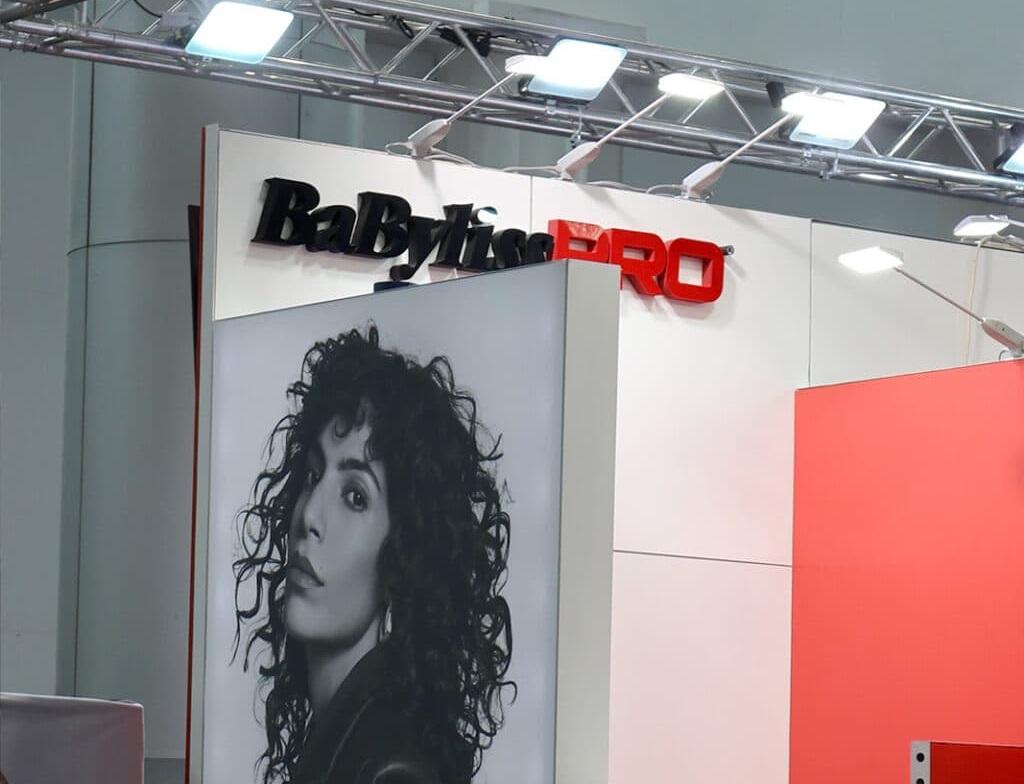
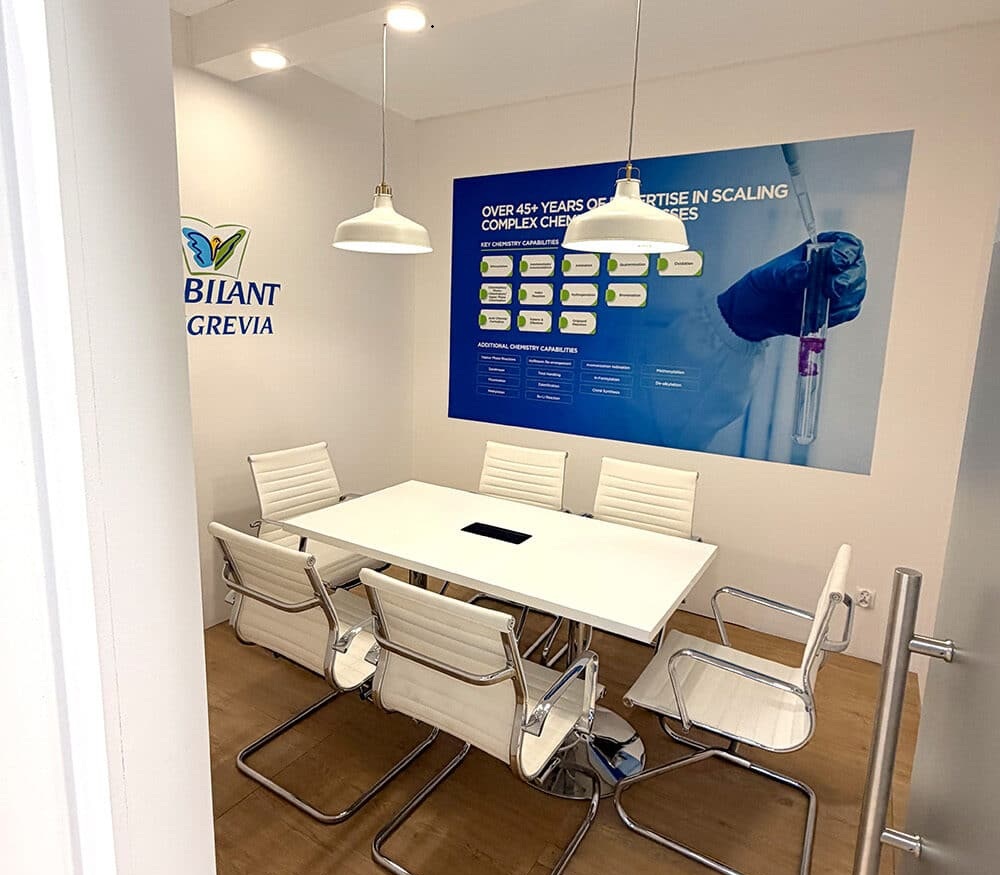
Solvent and eco-solvent printing
Solvent and eco-solvent printing technologies are primarily used for outdoor applications and large-scale advertising projects. The prints are highly resistant to weather conditions and offer an excellent balance between quality and cost. They are ideal for external exhibition stand elements, tents, and free-standing advertising or informational graphics, which are often placed outside exhibition halls.
The most popular materials used in exhibition printing
Textile fabrics
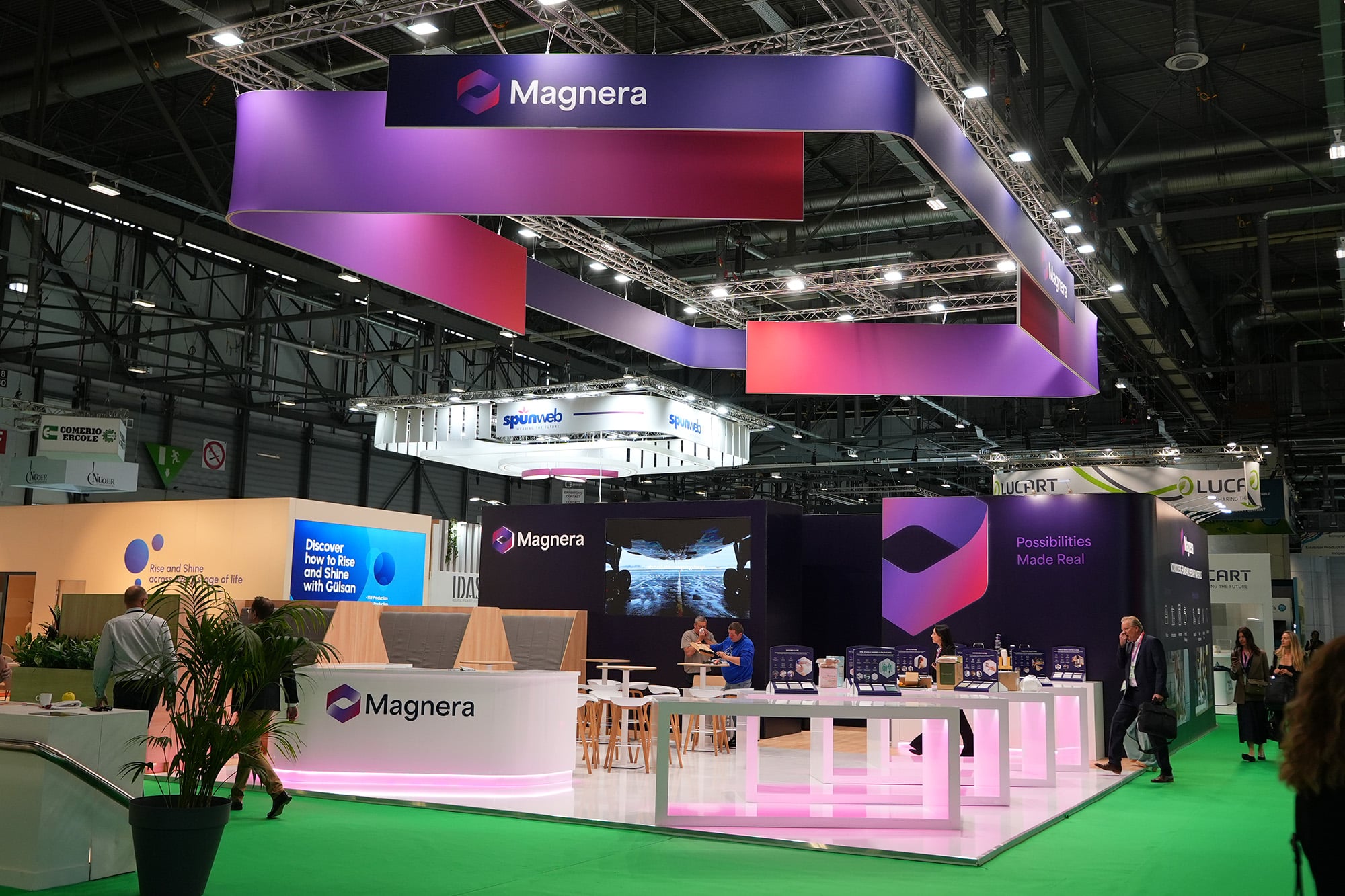
Textile graphics have become the standard in modern exhibition stands. Textile materials provide an elegant appearance, eliminate light reflections, and are easy to transport. They are most commonly used in aluminium frame systems, which ensure a flawless presentation once the fabric is properly tensioned onto the structure.
Self-adhesive films
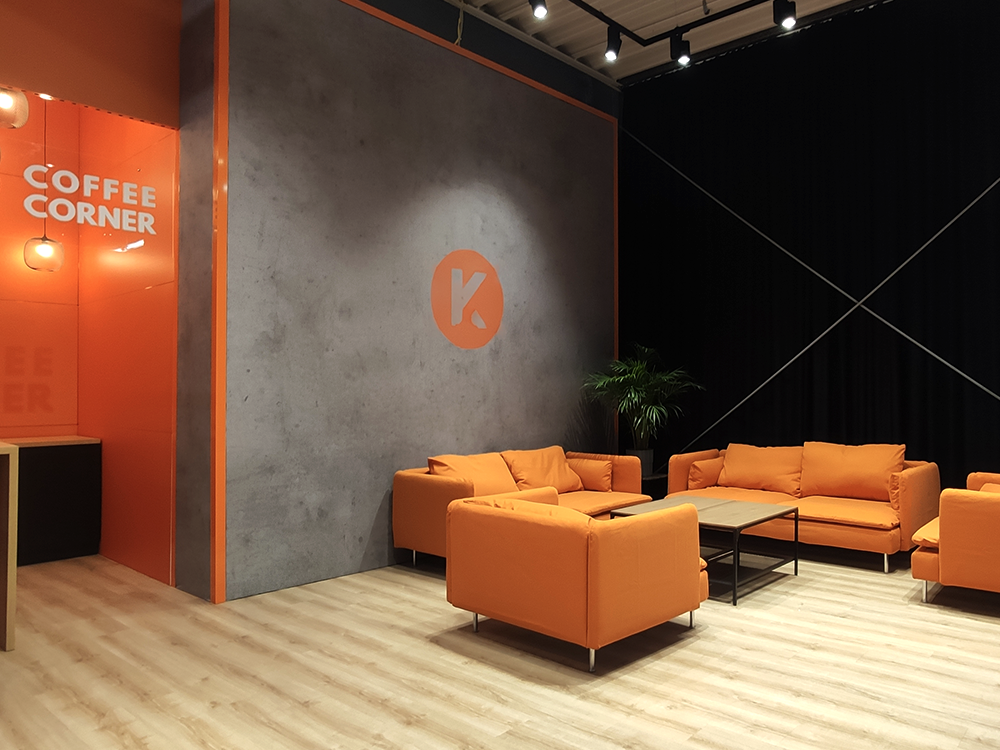
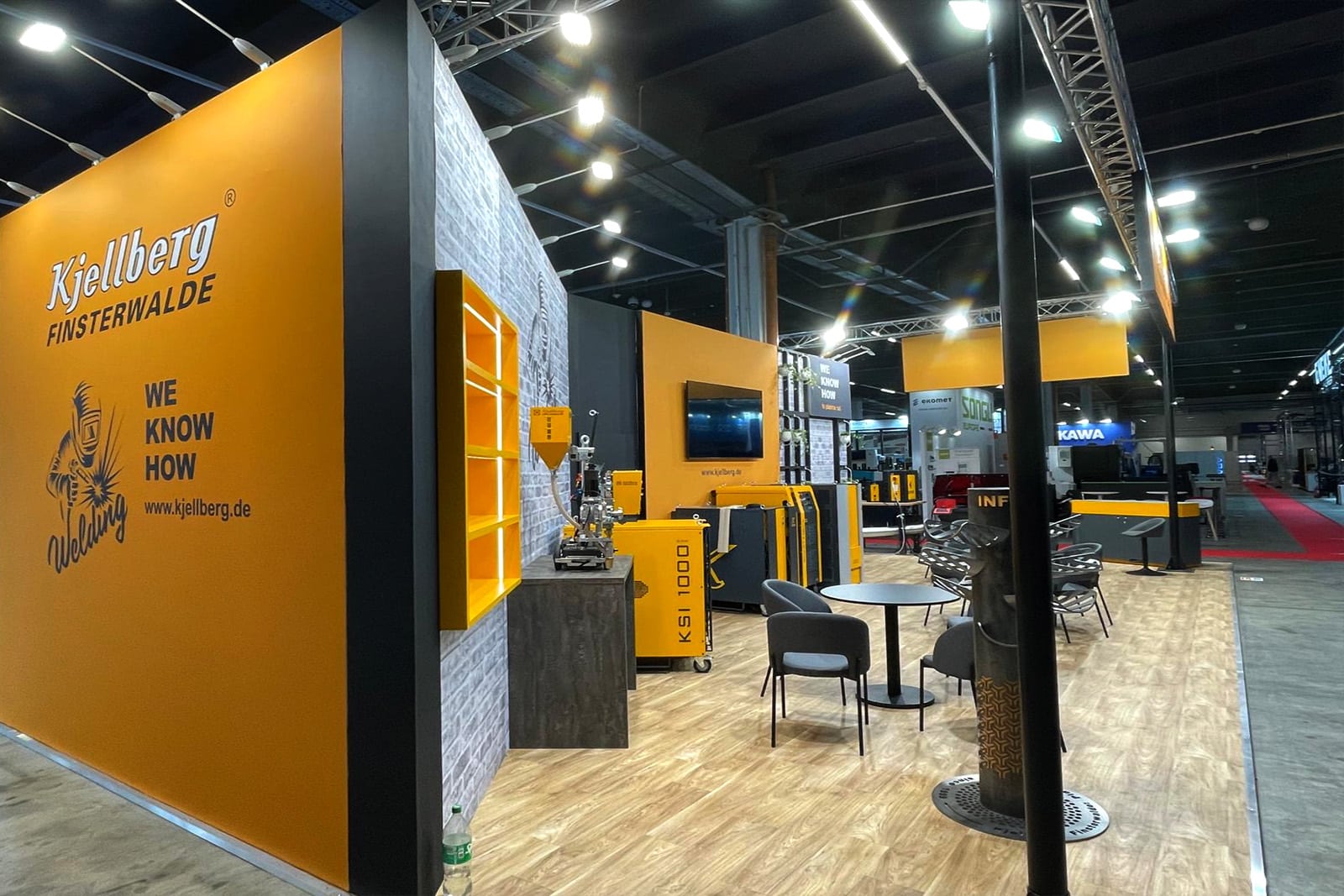
They are used for covering walls, exhibition furniture, counters, display windows, and structural elements. Self-adhesive films make it possible to quickly change the visual identity of a stand or give it the desired colour and finish.
PVC boards and Dibond panels
Rigid materials used for advertising boards, exhibition elements, and premium stand constructions. They are often used in combination with UV printing technology.
Backlit materials and illuminated display media
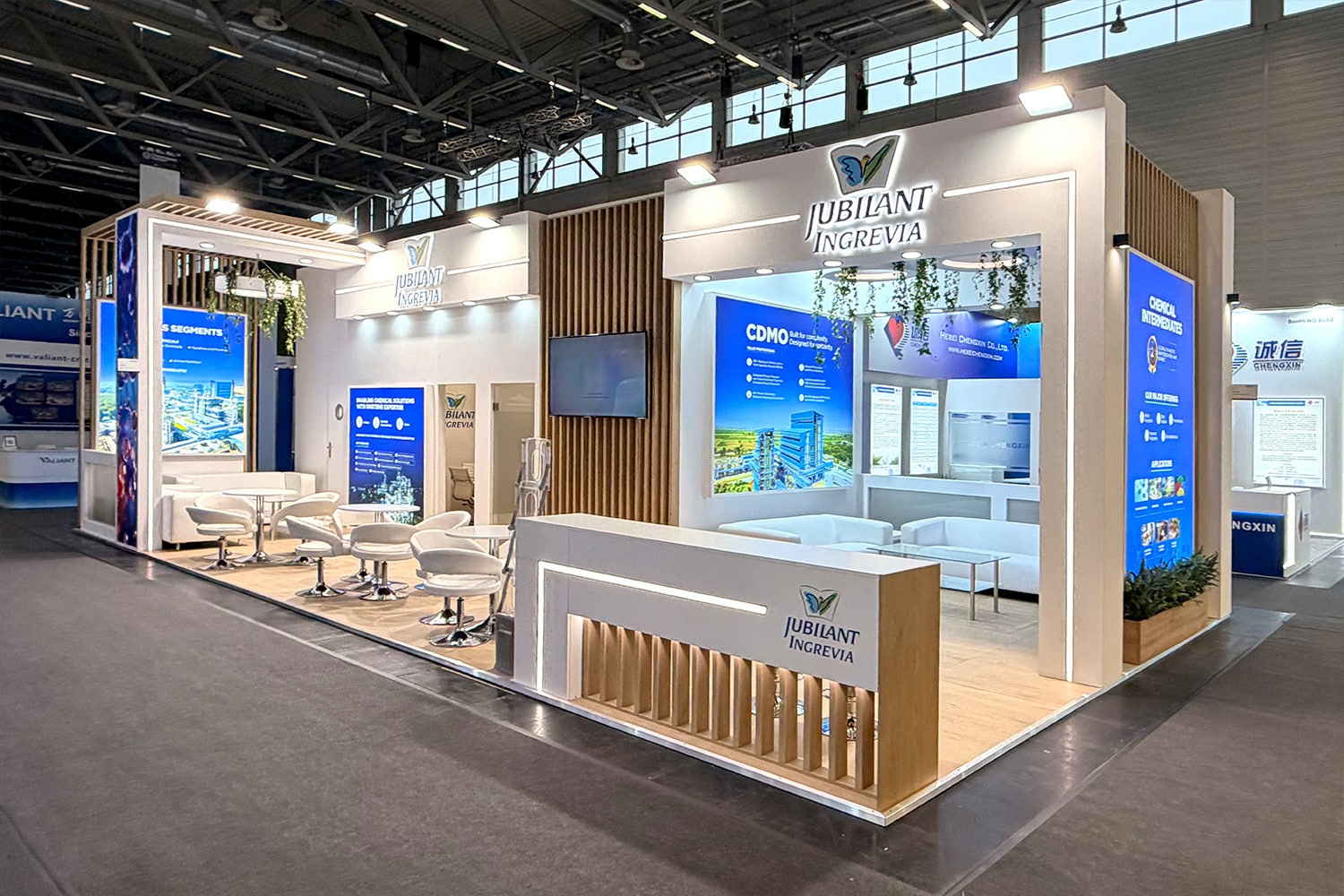
Specialised media designed for LED lightboxes and backlit graphics. They ensure even light diffusion and high colour intensity, making them ideal for exhibition stands and trade fair environments.
Advantages of large-format printing in the exhibition industry
PProfessional large-format printing has a direct impact on brand perception during industry events. The most important advantages include:
- full customization of the exhibition stand,
- high visual quality,
- fast production,
- easy graphic replacement,
- durability and resistance,
- compatibility with modular systems,
- ability to integrate LED backlighting.
Well-designed large-format graphics increase brand recognition and improve the visibility of the stand in a crowded exhibition space.
What should you pay attention to when designing large-format graphics?
When designing trade fair graphics, the following should be taken into account:
- appropriate file resolution,
- color profiles,
- visibility from a long distance,
- readability of messages,
- exhibition hall lighting,
- structural connection points,
- method of installation and transport.
Increasing importance is also placed on color consistency with the company’s branding and the possibility of reusing the same graphics multiple times.
Large-format printing and the durability of an exhibition display
In the trade fair industry, the resistance of materials to repeated assembly and disassembly is very important. Depending on the printing technology used, prints can remain durable for anywhere from a few to even several years. Protective laminates additionally safeguard the surface against scratches and UV radiation, making them ideal as booth decoration in exhibition halls as well as during outdoor events.